Pelvic Organ Prolapse: You Don’t Have to Live With This Problem Silently
A bulge you can feel in the vagina, a sensation of downward pressure and fullness, leaking urine when you cough, or difficulty with toilet habits… These symptoms, which many women are hesitant to talk about, may be signs of a quite common health issue: Pelvic organ prolapse. Although this condition can seriously affect quality of life, it is not something to be ashamed of, nor is it an inevitable “normal consequence of aging.”
Modern medicine offers many effective solutions for pelvic organ prolapse, both non-surgical and surgical, helping women regain the comfort and confidence they have lost.
What Is Pelvic Organ Prolapse and Why Does It Occur?
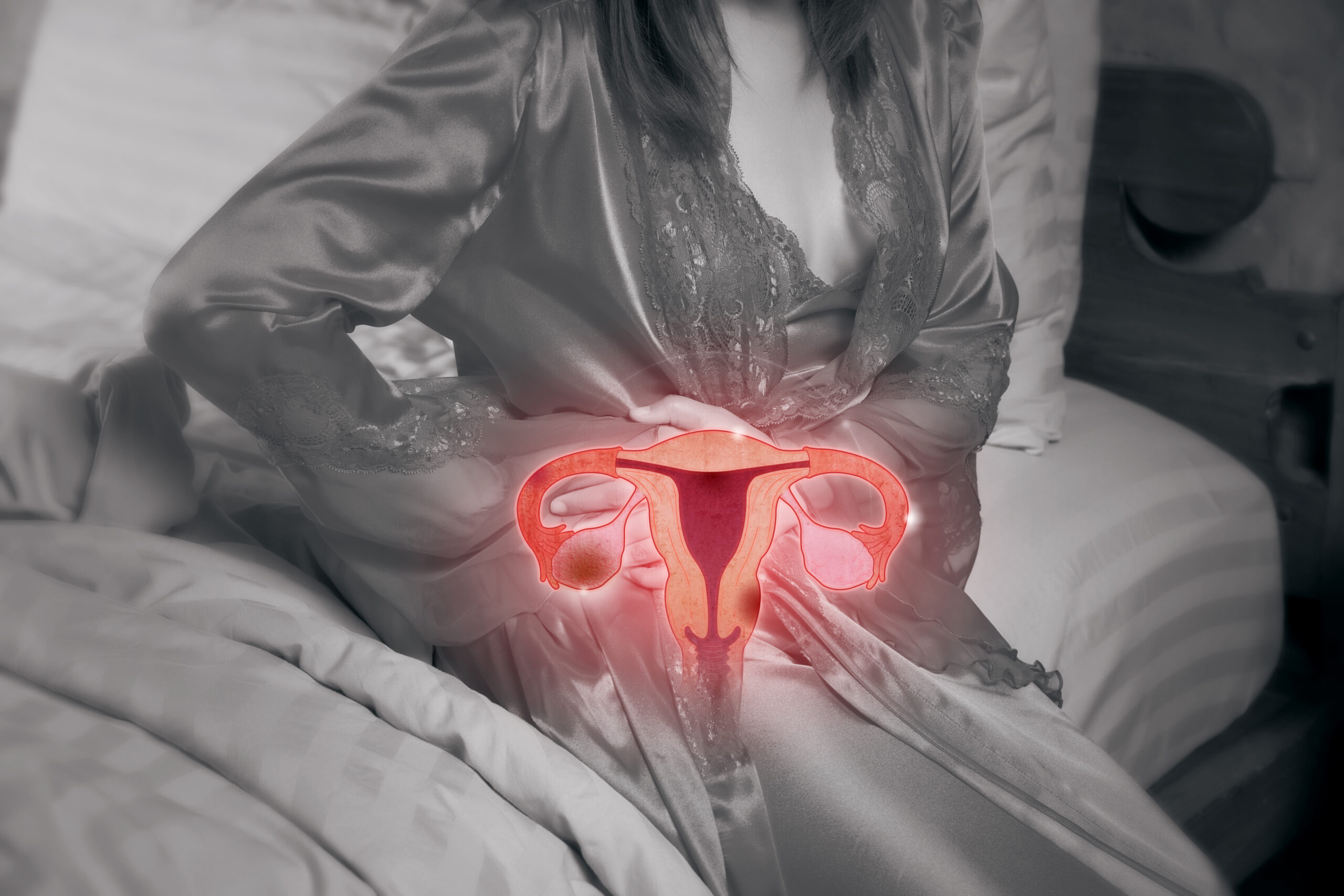
The pelvic organs (uterus, bladder, and intestines) are supported within the pelvis by a hammock of muscle and connective tissue called the “pelvic floor.” Pelvic organ prolapse occurs when this supporting hammock structure weakens or becomes damaged over time, causing one or more organs to herniate into or out of the vagina.
The most common risk factors that weaken this support system are:
- Childbirth: Especially numerous, difficult, prolonged, or large-baby vaginal deliveries.
- Menopause: Loss of tissue elasticity and weakening due to decreasing estrogen levels.
- Chronic Increase in Pressure: Persistent constipation and straining, chronic coughing, heavy lifting.
- Genetic Predisposition: Structurally weaker connective tissue.
- Previous Pelvic Surgery: Especially hysterectomy (removal of the uterus).
What Are the Types and Symptoms of Pelvic Organ Prolapse?
Prolapse is named according to which organ has herniated, and its symptoms may vary accordingly:
- Bladder Prolapse (Cystocele): The most common type. It is the sagging of the bladder through the front wall of the vagina. It can cause urinary incontinence, frequent urination, or a sensation of incomplete bladder emptying.
- Uterine Prolapse: The downward displacement of the uterus into the vagina.
- Bowel Prolapse (Rectocele): The herniation of the lower part of the large intestine (rectum) through the back wall of the vagina. It can cause difficulty with bowel movements and a sensation of incomplete emptying.
These types of prolapse may occur on their own or in combination.
How Should Pelvic Organ Prolapse Be Treated?
The choice of treatment is planned individually based on the degree of prolapse, the severity of the patient’s complaints, their age, and their general health status.
1. Non-Surgical Treatment Methods
These are preferred for mild-degree prolapse or in patients who are not suitable candidates for surgery:
- Pelvic Floor Exercises (Kegel): Strengthen the pelvic floor muscles, helping to reduce complaints in mild prolapse.
- Vaginal Pessaries: Supportive rings made of silicone, available in different shapes and sizes. Placed inside the vagina, they provide mechanical support to the prolapsed organs and relieve complaints.
2. Surgical Treatment
For moderate to advanced prolapse, surgery is the most effective method for a permanent solution to the complaints. The aim of surgery is to reposition the prolapsed organs into their correct anatomical position and repair the weakened supporting tissues.
- Vaginal Surgery: Repair operations performed entirely through the vaginal route, without any incision.
- Laparoscopic / Robotic Surgery (Closed Surgery): Advanced operations, such as “sacrocolpopexy,” performed through small incisions in the abdomen, in which the prolapsed organs (especially the vaginal vault that sags after the uterus has been removed) are suspended upward using special synthetic mesh patches.
Pelvic Organ Prolapse Treatment in Ankara: Expertise and Experience
Pelvic organ prolapse surgery is part of the “Urogynecology” discipline, which requires special experience and expertise in this field. The success of the surgery and minimizing the long-term risk of recurrence are directly related to choosing the right technique and the surgeon’s experience in this area. At our clinic in Ankara, we offer our patients the most up-to-date and effective treatment methods, helping them feel safe throughout this sensitive process.
Frequently Asked Questions (FAQ)
1. Does every case of uterine prolapse require surgery? No. If the prolapse is mild and does not cause the person significant discomfort, treatment may not be necessary. The decision to treat is based on the severity of the complaints and the extent to which the prolapse affects quality of life.
2. Does prolapse recur after surgery? Success rates are very high with modern surgical techniques and in experienced hands. However, if risk factors such as obesity and chronic constipation persist, there remains a chance of recurrence, albeit a low one.
3. What is the recovery process like after surgery? Although it varies depending on the type of surgery performed, patients generally need to avoid heavy lifting, straining, and strenuous activities for several weeks.
Return to a Comfortable, Confident Life
Pelvic organ prolapse is a problem that silently steals women’s quality of life, but it is one that has a solution. You don’t have to live with these symptoms. With the right diagnosis and a treatment plan tailored specifically to you, you can regain the comfort and confidence you have lost.
Don’t be embarrassed, and don’t put off discussing the issues you’re experiencing and the treatment options tailored for you. To regain your quality of life, contact us.
Click to Book an Online Appointment or Call Us: 0312 284 00 12 0538 983 18 78