
Natural Birth
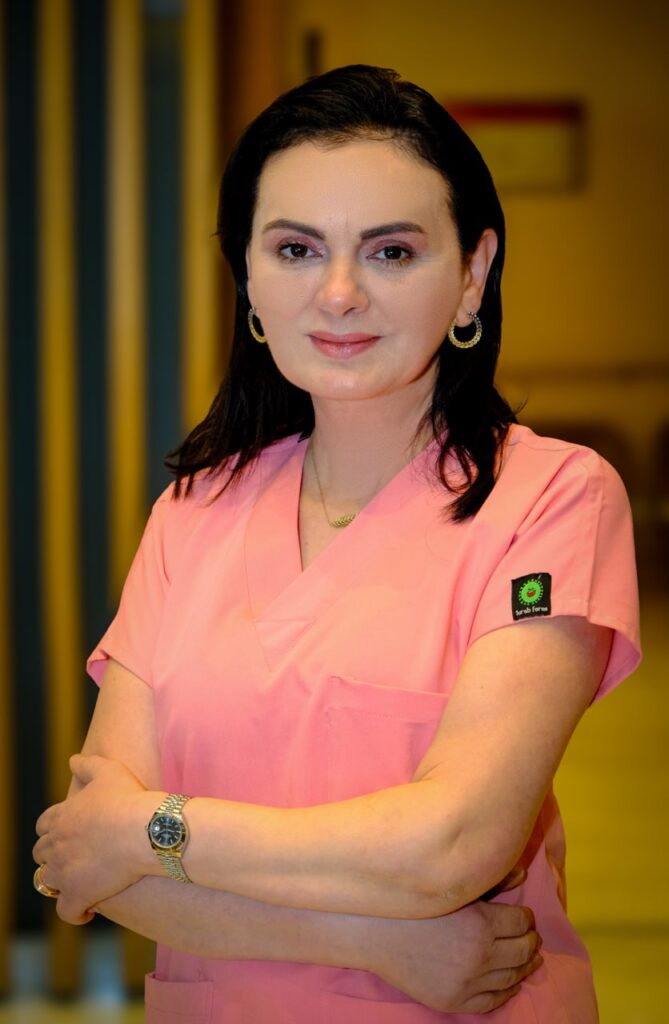
Natural Birth: A Strong, Informed, and Personalized Beginning
Childbirth is one of the most transformative and powerful experiences in a woman’s life. The term “natural birth” refers not only to vaginal delivery, but also to the philosophy of experiencing birth in as physiological and natural a flow as possible, avoiding unnecessary medical interventions. This approach encourages the mother to trust her own body, take an active role in the birthing process, and make informed decisions. Every birth is unique, and natural birth is an approach that respects this uniqueness, placing the mother and baby at its center. At our clinic in Ankara, Prof. Dr. Nuray Bozkurt guides expectant mothers who wish to have a natural birth on this special journey, offering personalized and supportive care within safe boundaries.
What Is the Natural Birth Philosophy? What Are Its Core Principles?
The natural birth philosophy is based on the understanding that birth is not a pathological condition but a healthy, normal physiological process. Its core principles are as follows:
- Birth Is Physiological: The female body is instinctively designed to give birth and generally does not need outside intervention.
- Trust in the Body: The expectant mother is encouraged to trust the wisdom of her own body and her ability to give birth.
- Minimal Intervention: Medical interventions such as routine induction (artificial labor), continuous electronic fetal monitoring, routine episiotomy (birth incision), and frequent vaginal exams are avoided unless medically necessary.
- Freedom of Movement: The mother is supported in moving into positions she finds comfortable during labor (walking, squatting, swaying, etc.).
- Privacy and a Calm Environment: Creating a calm, dimly lit, quiet, and private environment is important for supporting the hormonal flow of labor.
- Active Participation and Informed Choice: The expectant mother is informed about the birthing process and actively participates in decisions about her own birth.
- Patience and Respect for the Natural Rhythm: Birth is allowed to progress at its own natural pace, without rushing.
- Continuous Support: The expectant mother receives continuous emotional and physical support throughout labor from her partner, a doula (birth companion), or the healthcare team.
- Non-Pharmacological Pain Management: Non-drug methods such as breathing exercises, relaxation techniques, massage, hydrotherapy (use of water), and position changes are prioritized for coping with pain.
What Are the Potential Benefits of Natural Birth?
The natural birth approach offers many potential benefits for both mother and baby:
Benefits for the Mother:
- Empowerment and Satisfaction: Actively managing the birthing process boosts the mother’s self-confidence and increases her satisfaction with the birth experience.
- Faster Recovery: Because there is generally less intervention (cesarean section, episiotomy, vacuum/forceps), postpartum recovery can be faster and more comfortable.
- Freedom of Movement: Being able to move freely during labor can help the mother feel more comfortable and support the progress of labor.
- Avoiding Medication Side Effects: The possible side effects of epidural or other pain-relieving medications (drop in blood pressure, itching, restricted movement, etc.) are avoided.
- Stronger Bonding: The opportunity for immediate skin-to-skin contact and uninterrupted time together right after birth strengthens the mother-baby bond.
- Breastfeeding Success: Mothers who have a natural birth are generally observed to start and continue breastfeeding more easily.
Benefits for the Baby:
- Gentler Transition: As the baby passes through the birth canal, it comes into contact with beneficial bacteria and expels fluid from its lungs more easily, which can make its adaptation to the outside world gentler.
- Reduced Drug Exposure: The risk of medications given to the mother passing to the baby is eliminated or reduced.
- Greater Alertness: Babies not exposed to medications during birth are generally more alert and readier to nurse.
- Immunity and Microbiome: Vaginal birth has benefits that support the baby’s immune system and contribute to the development of a healthy gut microbiome.
- Early Bonding and Breastfeeding: Immediate skin-to-skin contact and the opportunity to breastfeed in the mother’s arms support the baby’s sense of security and nutrition.
What to Expect During the Natural Birth Process?
The natural birth journey generally includes the following stages:
- Comprehensive Preparation: It is important to attend childbirth education classes that teach the physiology of birth, pain-coping methods, birthing positions, and informed decision-making processes. Creating a birth plan and sharing it with your healthcare team is beneficial.
- Spontaneous Onset of Labor: Labor is generally expected to begin spontaneously, without medical intervention.
- The Labor Process:
- Movement and Positions: Following her instincts, the expectant mother can walk, sway, shower, use a birthing ball, or take on positions she finds comfortable.
- Pain Management: Non-drug methods such as deep breathing, relaxation, meditation, massage, hot/cold application, and relaxing in water (birthing pool or shower) are used.
- Monitoring: The baby’s heartbeat is generally listened to intermittently with a handheld Doppler rather than continuous electronic fetal monitoring (depending on the situation).
- Nutrition and Fluid Intake: The expectant mother is encouraged to eat light foods and drink plenty of fluids to maintain her energy level.
- Support: Uninterrupted physical and emotional support from her partner, a doula, or a trusted loved one is invaluable.
- The Moment of Birth (Second Stage):
- Choice of Position: The mother can choose the position she feels most comfortable in when pushing and delivering the baby (squatting, side-lying, hands-and-knees position, etc.).
- Pushing: Instinctive (spontaneous) pushing, in tune with the body’s natural urge to push, may be encouraged instead of directed pushing.
- Delayed Cord Clamping: Waiting a period of time before cutting the umbilical cord (delayed cord clamping), so blood flow from the placenta to the baby can continue, may be preferred.
- Postpartum (Third and Fourth Stages):
- Skin-to-Skin Contact: As soon as the baby is born, it is placed on the mother’s bare chest.
- Early Breastfeeding: Beginning to breastfeed the baby within the first hour is encouraged.
- Delivery of the Placenta: The placenta is also generally expected to separate spontaneously.
Support and Preparation Needed for Natural Birth
Good preparation and the right support system are critical for a successful and positive natural birth experience:
- A Supportive Healthcare Team: Choosing an experienced, trustworthy doctor (such as Prof. Dr. Nuray Bozkurt) and/or midwife who respects the natural birth philosophy is the most important step. You should be able to communicate openly with your team.
- A Suitable Birth Environment: Choosing a hospital with policies that support natural birth, or, when appropriate conditions are met, considering a birth center or home birth (with a midwife). Personalizing the environment (lighting, music, scent, etc.). In Ankara, you can plan a safe natural birth in a hospital setting with Prof. Dr. Nuray Bozkurt.
- Prenatal Education: Taking a comprehensive childbirth preparation class helps you understand the process, cope with your fears, and learn various coping mechanisms.
- Birth Companion (Doula): Hiring a doula ensures you receive continuous, one-on-one emotional, physical, and informational support throughout labor. Doulas do not perform medical duties, but they help the mother feel comfortable and advocate for her rights.
- Spouse/Partner Support: It is important for your partner to also be involved in the process, attend classes, and learn how to provide support.
- Birth Plan/Preferences: Preparing a written document stating your wishes and preferences regarding birth, sharing it with your team, and being ready to remain flexible.
- Physical and Mental Preparation: Exercises such as prenatal yoga and walking, breathing exercises, meditation, affirmations, and addressing possible fears related to birth.
Is Natural Birth Suitable for Everyone? Risks and Points to Consider
Although natural birth is a wonderful goal, it may not be suitable or possible for every pregnancy and every expectant mother:
- Who Is a Good Candidate? Expectant mothers whose pregnancy is generally low-risk, who have no serious health problems, and whose baby is near term (full-term) and in a head-down position are generally good candidates for natural birth.
- Who May Not Be Suitable? In high-risk situations such as high blood pressure (preeclampsia), uncontrolled diabetes, placenta previa (the placenta covering the cervix), breech or transverse presentation of the baby, certain fetal anomalies, active genital herpes lesions in the mother, or a previous classical (vertical-incision) cesarean section, medical interventions or a cesarean section may be necessary.
- Flexibility Is Essential: The most important priority in childbirth is the health of the mother and baby. Even if a natural birth is planned, unexpected situations can arise during labor, and medical interventions (induction, epidural, vacuum, forceps, or cesarean section) may become necessary. It is important to be prepared for this possibility and to accept medical help when needed. “Natural birth” does not mean refusing help when it is needed.
- The Pain Factor: Natural birth means experiencing labor contractions without medication or with minimal medication. Although pain is a natural part of birth, its intensity varies from person to person. Non-drug coping methods can be very effective, but for some women plans may change and pain-relief methods may be needed.
Your Natural Birth Journey with Prof. Dr. Nuray Bozkurt in Ankara
Prof. Dr. Nuray Bozkurt believes in the power and physiology of natural birth, while always giving top priority to the health of mother and baby. Through the approach she offers at her clinic in Ankara:
- She listens to your natural birth wishes, evaluates your individual circumstances, and helps you form realistic expectations.
- She respects your birth preferences and supports you in realizing them within safe boundaries.
- She guides you throughout the process, provides evidence-based information, and enables you to make informed decisions.
- She trusts the natural flow of birth, but has the knowledge and experience to perform the necessary intervention correctly and in time whenever a medical need arises.
- She aims not only for a healthy baby, but for a birth experience in which the mother also feels strong and positive.
To discuss your natural birth dream and expectations, create a birth plan tailored to you, and learn how we can support you on this journey, you can schedule a consultation with Prof. Dr. Nuray Bozkurt at our clinic in Ankara. Take the first step toward an informed and well-supported birth experience.
Frequently Asked Questions
What exactly does natural birth mean? Is it different from vaginal delivery?
While “vaginal delivery” generally refers to birth occurring through the vaginal route, “natural birth” represents more of a philosophy: viewing birth as a physiological process, avoiding unnecessary interventions, and emphasizing the mother’s active participation and non-drug coping methods. In other words, every natural birth is a vaginal delivery, but not every vaginal delivery follows the natural birth philosophy (for example, it may include induction or an epidural).
Is pain medication never used in natural birth? Can I have an epidural?
The natural birth philosophy generally prioritizes non-drug pain management methods (breathing, massage, water, etc.). However, the course of labor and the mother’s needs can change. An expectant mother planning a natural birth may change her mind during the process and request an epidural or another pain reliever. What matters is that the mother makes an informed decision and is supported in it. Natural birth is not a rigid “never take medication” rule; the priority is simply on non-drug methods.
Is natural birth safer than a cesarean section?
In low-risk pregnancies, vaginal delivery (including natural birth) generally carries less risk than a cesarean section for both mother and baby and allows for faster recovery. However, in high-risk situations or when complications develop during labor, a cesarean section can be a life-saving and safer option. Safety varies depending on the situation and individual circumstances. What matters is choosing the right mode of delivery at the right time.
How should I prepare for natural birth? Is childbirth education mandatory?
Preparation is very important. Taking a comprehensive childbirth preparation class (learning about the stages of labor, breathing techniques, relaxation, positions, and coping strategies) is highly recommended. Staying physically active (with your doctor’s approval for exercise), preparing mentally (addressing fears, practicing affirmations), choosing a supportive team, and defining your birth preferences are all part of preparation.
What is a doula? Is doula support necessary for natural birth?
A doula is a trained birth companion who provides continuous physical, emotional, and informational support to a woman giving birth and her family. She has no medical duties. Studies suggest that doula support can shorten labor, reduce the need for pain medication, lower cesarean section rates, and increase satisfaction with birth. It is not necessary, but it can have a significant positive effect on the natural birth experience.
What is a birth plan and why is it important? What happens if things don't go according to plan?
A birth plan is a document in which you write down your preferences regarding your birth (environment, support people, pain management, your wishes regarding interventions, etc.). It facilitates communication with your healthcare team and helps you clarify your preferences. However, birth is a dynamic process and plans can change. It is important to remain flexible and open to medical decisions when necessary. The plan is a wish list, not a rigid rule.
Is an episiotomy (birth incision) performed during natural birth?
In the natural birth philosophy, routine episiotomy is avoided. It may only be performed as a medical necessity in rare cases where the baby is in distress or there is a risk of a serious tear. The goal is to allow the perineal area to stretch spontaneously and permit delivery.
Can everyone have a natural birth? Who is it not suitable for?
No, it may not be suitable for everyone. Most women with a low-risk pregnancy are good candidates. However, if there is a high-risk condition in the mother or baby (uncontrolled diabetes, preeclampsia, placental problems, abnormal fetal position, etc.), natural birth may not be recommended, or intervention may be required during labor. Your doctor will assess the safest option for you.
What happens if I want to try for a natural birth but intervention becomes necessary later on?
This is quite a normal situation. The priority in birth is health. If a medical necessity arises (for example, if labor is not progressing or the baby becomes distressed), your doctor will discuss the situation with you and recommend the necessary intervention (medication, epidural, vacuum, cesarean section, etc.). What matters is understanding the reasons behind these decisions and trusting your team.
As a doctor who supports natural birth in Ankara, what is Prof. Dr. Nuray Bozkurt's approach?
Prof. Dr. Nuray Bozkurt respects the physiology of natural birth and the mother’s strength. She supports the expectant mother in making informed choices and helps her realize these preferences within safe boundaries. While trusting the natural flow of labor, she also closely monitors the health of mother and baby and is ready to perform the correct intervention with her medical knowledge and experience whenever necessary. Her goal is to provide a birth experience that is both healthy and positive.