Hysteroscopy: A Window into the Uterus | The Gold Standard in Diagnosis and Treatment
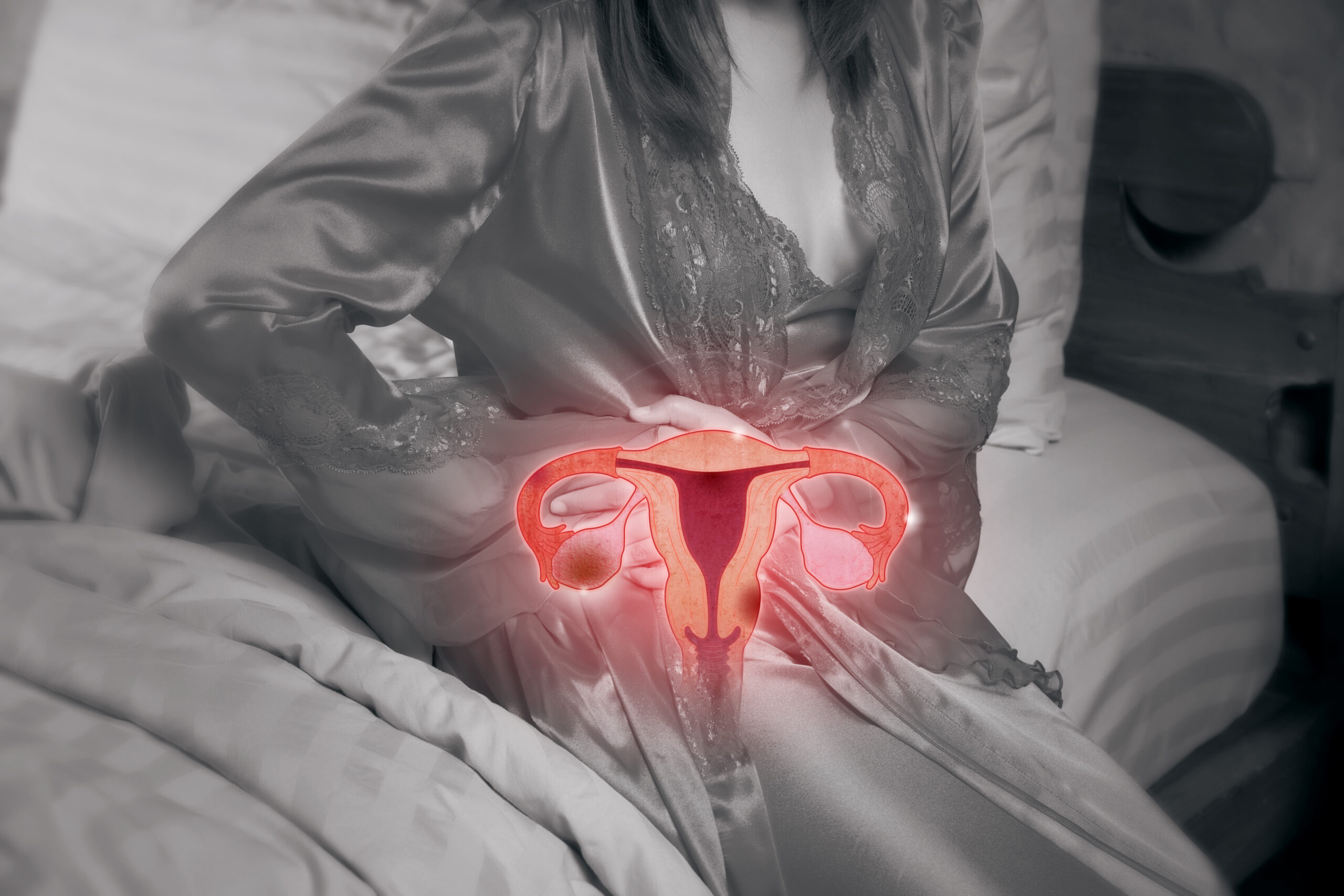
The uterus is one of the most important organs in women’s health. However, problems occurring inside the uterus, such as polyps, myomas (fibroids), or adhesions, cannot always be clearly detected with standard imaging methods such as ultrasound. This is where modern gynecology offers a technology that, quite literally, opens a window into the uterus and allows us to see the problem directly: Hysteroscopy.
Recognized as the “gold standard” for both making a diagnosis and applying treatment in the same session, this method offers a minimally invasive (performed with the least possible intervention to the patient) and comfortable solution for many gynecological problems.
What Is Hysteroscopy?
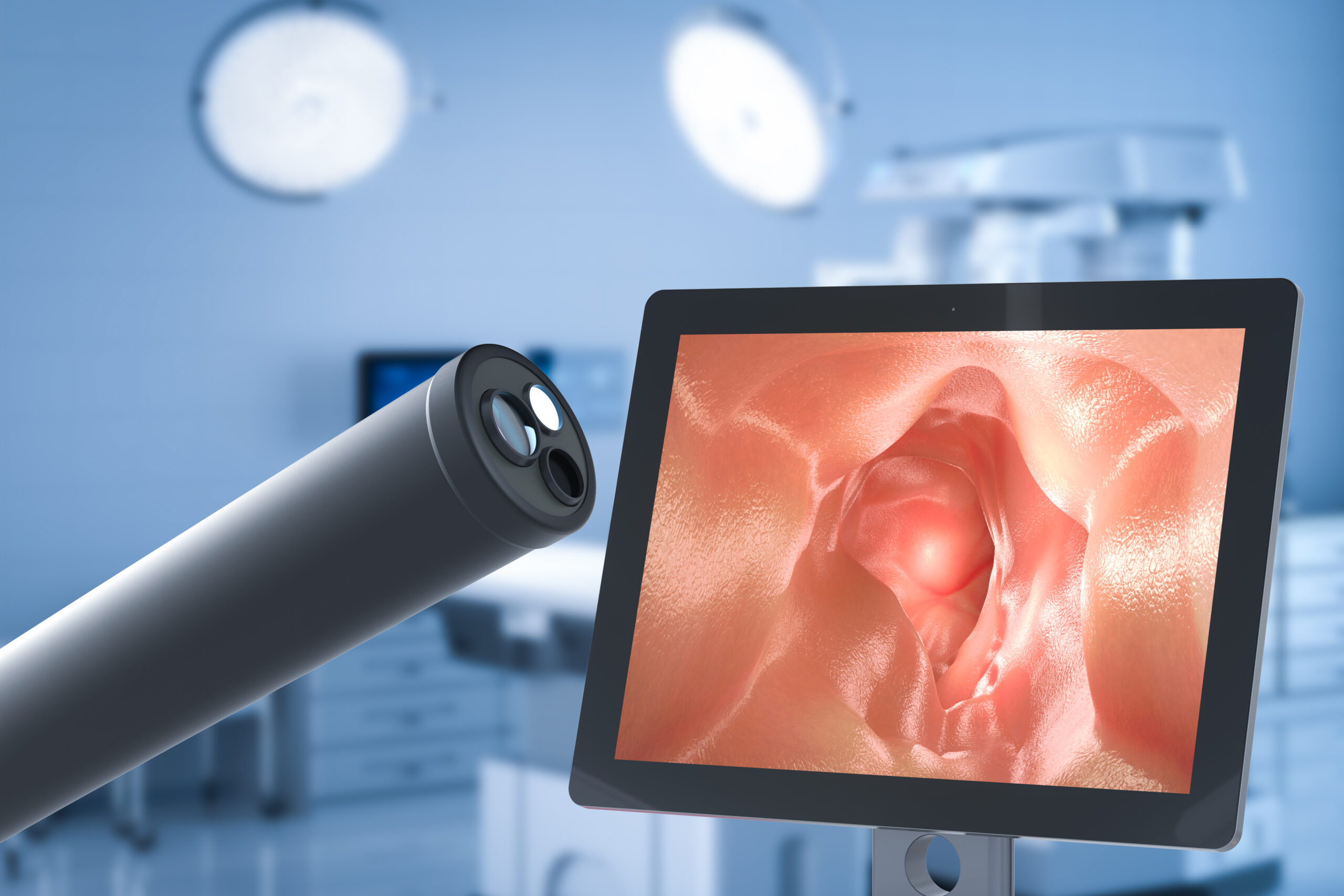
Hysteroscopy is a procedure in which a thin, telescopic instrument called a “hysteroscope,” fitted with a camera and light source at its tip, is inserted through the cervix to examine the inside of the uterine cavity in detail on a video monitor.
The greatest advantage of this procedure is that it involves no incision or stitches whatsoever on the body. The entire process is carried out through the natural pathway of the vagina and cervix.
What Is the Difference Between Diagnostic and Operative Hysteroscopy?
Hysteroscopy is essentially performed for two purposes, and this determines the course of the procedure:
- Diagnostic Hysteroscopy: Its purpose is simply to “look” and “diagnose.” The interior of the uterus is examined in detail to investigate the cause of abnormal bleeding, recurrent miscarriages, or infertility. It can generally be completed in the office setting, without anesthesia or with only mild local anesthesia, in a short time of 5-10 minutes.
- Operative (Surgical) Hysteroscopy: This is performed to “treat” a problem identified during diagnosis in the same session. Using special surgical instruments passed through the hysteroscope, polyps, myomas (fibroids), adhesions, or septa within the uterus are cut and removed. This procedure is generally carried out in an operating room setting under mild anesthesia (sedation or general anesthesia).
Why and in Which Situations Is Hysteroscopy Performed?
Hysteroscopy plays a key role in the diagnosis and treatment of many different gynecological conditions:
- Abnormal Uterine Bleeding: Determining the cause of heavy, irregular, or postmenopausal bleeding.
- Polyps and Myomas (Fibroids): Removal of polyps and myomas (fibroids) that grow into the uterine cavity (submucosal).
- Intrauterine Adhesions (Asherman’s Syndrome): Release of adhesions that can develop especially after curettage or infection and that can lead to infertility.
- Recurrent Miscarriage and Infertility: Investigating and correcting intrauterine problems that may prevent a pregnancy from implanting.
- Congenital Uterine Anomalies: Correcting structural abnormalities such as a uterine septum.
- Removal of a Displaced Intrauterine Device (IUD).
Hysteroscopy in Ankara: Reliable Diagnosis and Effective Treatment
The success of a hysteroscopy procedure depends not only on the quality of the technology used but also on the experience of the physician performing it. Correctly interpreting the interior of the uterus and resolving the problem during an operative procedure without damaging delicate tissue requires considerable experience. At our clinic in Ankara, we offer our patients both accurate diagnosis and reliable treatment with the most up-to-date hysteroscopy systems and our expert team.
Frequently Asked Questions (FAQ)
1. Is hysteroscopy a painful procedure? During diagnostic hysteroscopy, mild cramping similar to menstrual pain may be felt, but the procedure is generally painless. Operative (surgical) hysteroscopy, on the other hand, is performed under anesthesia, so the patient feels no pain at all during the procedure.
2. How long does the procedure take? Diagnostic hysteroscopy usually takes 5-10 minutes. Operative hysteroscopy can vary between 15 and 60 minutes, depending on the procedure to be performed.
3. What is recovery like after hysteroscopy? The recovery process is quite fast and comfortable. It is normal to experience light spotting or discharge for a few days after the procedure. Most patients can return to their normal daily activities the day after the procedure.
Conclusion: The Most Effective Method to See and Solve
Hysteroscopy has revolutionized the diagnosis and treatment of intrauterine problems. Thanks to this minimally invasive method, which works on the principle of “see and treat,” many problems that once required major surgery can now be resolved quickly and comfortably, without any incision.
If your doctor has recommended a hysteroscopy for you, or if you would like to clarify the underlying cause of a gynecological problem you are experiencing, take the first step to learn more about the process. Contact us.
Click Here to Book an Online Appointment or Call Us: 0312 284 00 12 0538 983 18 78