Deciding on Myoma Surgery: Everything You Need to Know
When your doctor recommends a surgical solution for your myomas, it’s natural for many questions to come to mind: “What will my surgery be like? Will my uterus be preserved? Will my recovery be difficult?” The decision to undergo myoma surgery is an important step, and preparing for this process with full awareness is the best way to ease your concerns.
Today, myoma surgeries are performed using modern, minimally invasive techniques that preserve the uterus and offer maximum comfort to the patient. Let’s take a closer look at the situations that require myoma surgery and which surgical method may be best suited for you.
In Which Situations Is Myoma Surgery Necessary?
Not every myoma requires surgery. However, when myomas lead to serious complaints such as the following, surgical treatment becomes the most effective and lasting solution:
- Heavy and Prolonged Menstrual Bleeding: Bleeding heavy enough to cause anemia.
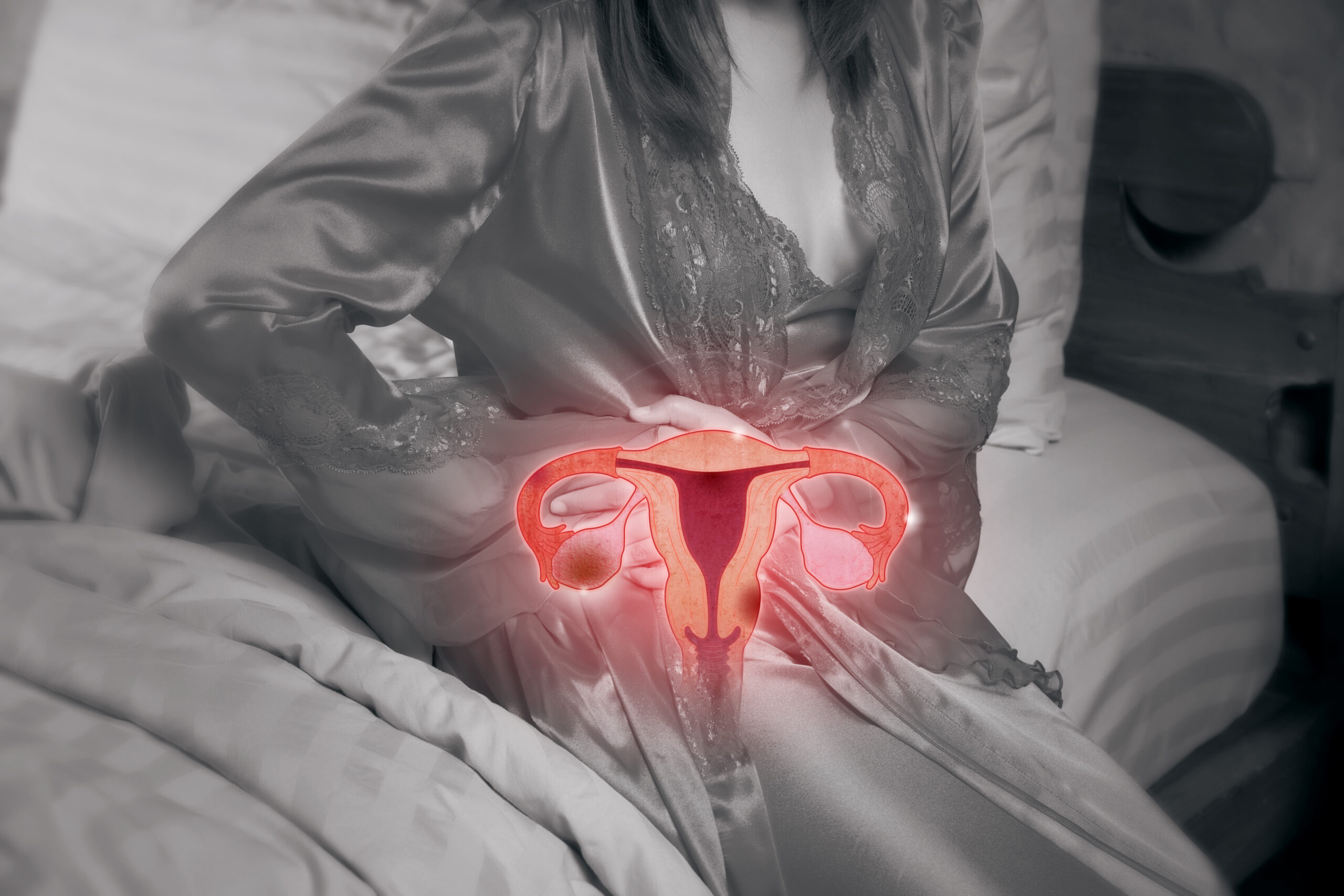
- Pain and Pressure: Chronic pelvic pain, back pain, or pain during intercourse that affects daily life.
- Pressure Symptoms: Pressure on the bladder (frequent urination) or on the bowels (constipation), depending on the size of the myoma.
- Infertility or Recurrent Miscarriage: Particularly when myomas located inside the uterine cavity interfere with pregnancy.
- Rapid Growth: A noticeable increase in the size of the myoma within a short period.
Myomectomy: The Modern Face of Uterus-Preserving Surgery
When it comes to myoma surgery, the most important concept is **”myomectomy”**. Myomectomy refers to uterus-preserving surgery in which only the myomas are removed, without affecting the uterus itself. This approach is the gold standard, especially for women who wish to have children in the future. The surgical technique is determined based on the size, number, and location of the myomas within the uterus.
Myoma Surgery Techniques: Which Method Is Right for You?
1. Laparoscopic Myomectomy (Minimally Invasive Abdominal Surgery)
This is the most commonly preferred modern method for myomas located on the outer wall of the uterus or embedded within the wall (intramural). It is performed using a camera and specialized surgical instruments inserted through a few small 0.5-1 cm incisions made in the navel and groin area.
- Advantages: Less pain, less blood loss, smaller scars, a shorter hospital stay, and a much faster return to daily life.
2. Hysteroscopic Myomectomy (Vaginal Surgery)
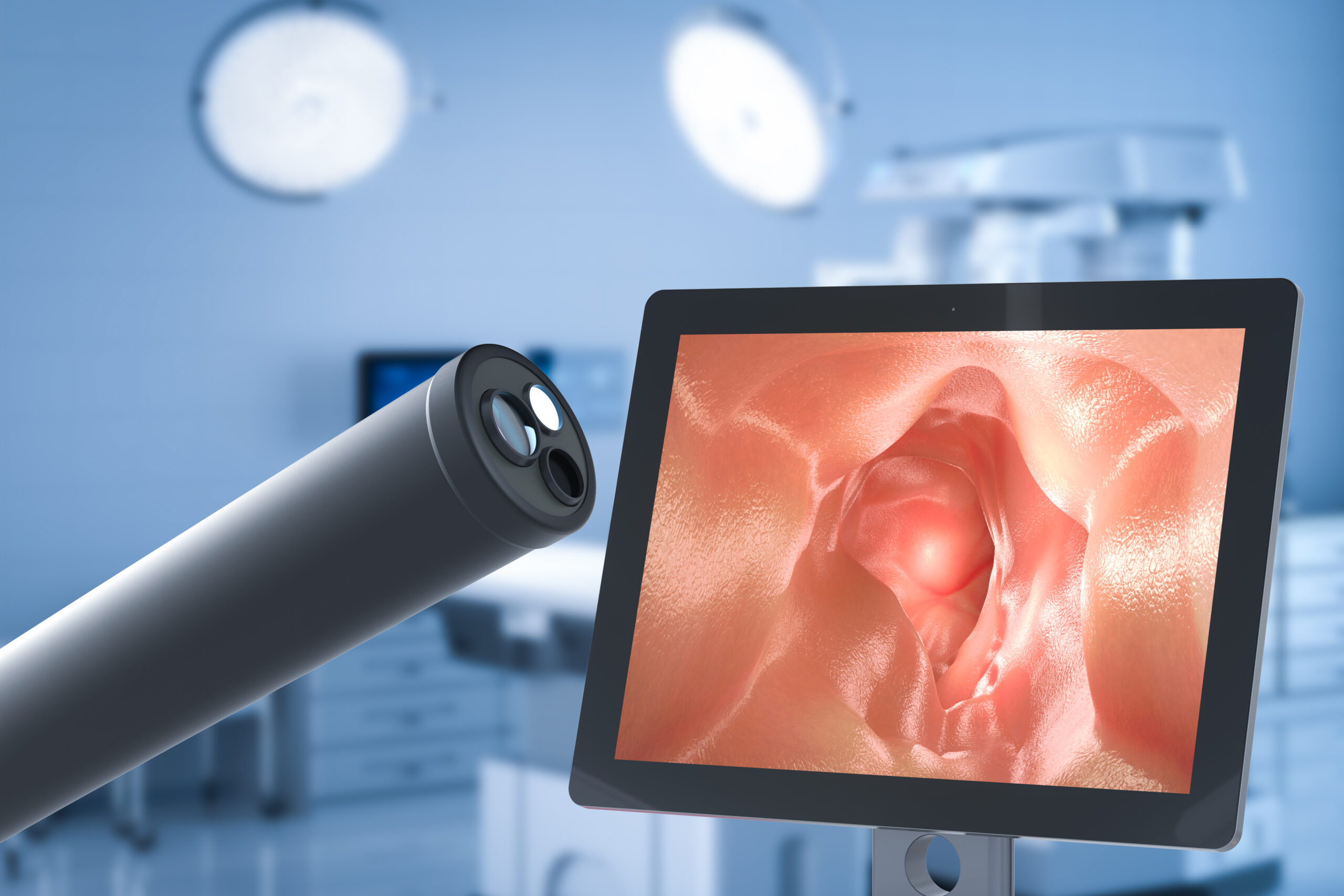
This is the ideal method for myomas that have grown into the uterine cavity (submucosal myomas). Access is gained through the vagina and cervix using a special camera system (hysteroscope). No incisions are made on the body at all.
- Advantages: No incisions or stitches, very rapid healing, and the patient can usually be discharged the same day.
3. Open Myomectomy (Laparotomy)
This is the traditional method preferred when the myomas are very large (generally larger than 10-12 cm), numerous, or located in a hard-to-reach area. It is performed through an incision in the lower abdomen, similar to a cesarean section incision. The recovery process is longer compared to minimally invasive methods.
Myoma Surgery in Ankara: A Minimally Invasive Surgical Experience
Regardless of the surgical technique, the surgeon’s experience is critical in myoma surgery. In particular, minimally invasive myoma surgeries (laparoscopy and hysteroscopy) require advanced surgical skill and experience. At our clinic in Ankara, we offer our patients the latest technologies and minimally invasive surgical approaches, ensuring they receive the most effective treatment while experiencing the process in the most comfortable way possible.
Frequently Asked Questions (FAQ)
1. What is the recovery process like after myoma surgery? Recovery varies depending on the surgical technique. While a return to normal life is possible within 1-2 days after hysteroscopy and 1-2 weeks after laparoscopy, this period can extend to 4-6 weeks after open surgery.
2. Can I get pregnant after the surgery? Yes, one of the main goals of myomectomy is to preserve or improve fertility. It is recommended to wait for the period determined by your doctor after surgery (usually 3-6 months) for the uterus to heal, and to plan pregnancy afterward.
3. Do myomas recur after myoma surgery? Myomectomy removes the existing myomas. However, in individuals who are predisposed to myoma formation, there is a possibility that new myomas may develop in the future.
An Informed Decision, A Healthy Future
Myoma surgery is a safe and effective operation that offers a lasting solution to many problems that reduce quality of life. Deciding together with your doctor on the surgical technique that is right for you, based on the condition of your myomas and your personal goals, is the most important step toward a successful outcome.
Speak with our expert team to learn more about your myomas and the surgical options tailored to you, to share your concerns, and to chart a path forward.
Click to Book an Online Appointment or Contact Us: 0312 284 00 12 0538 983 18 78