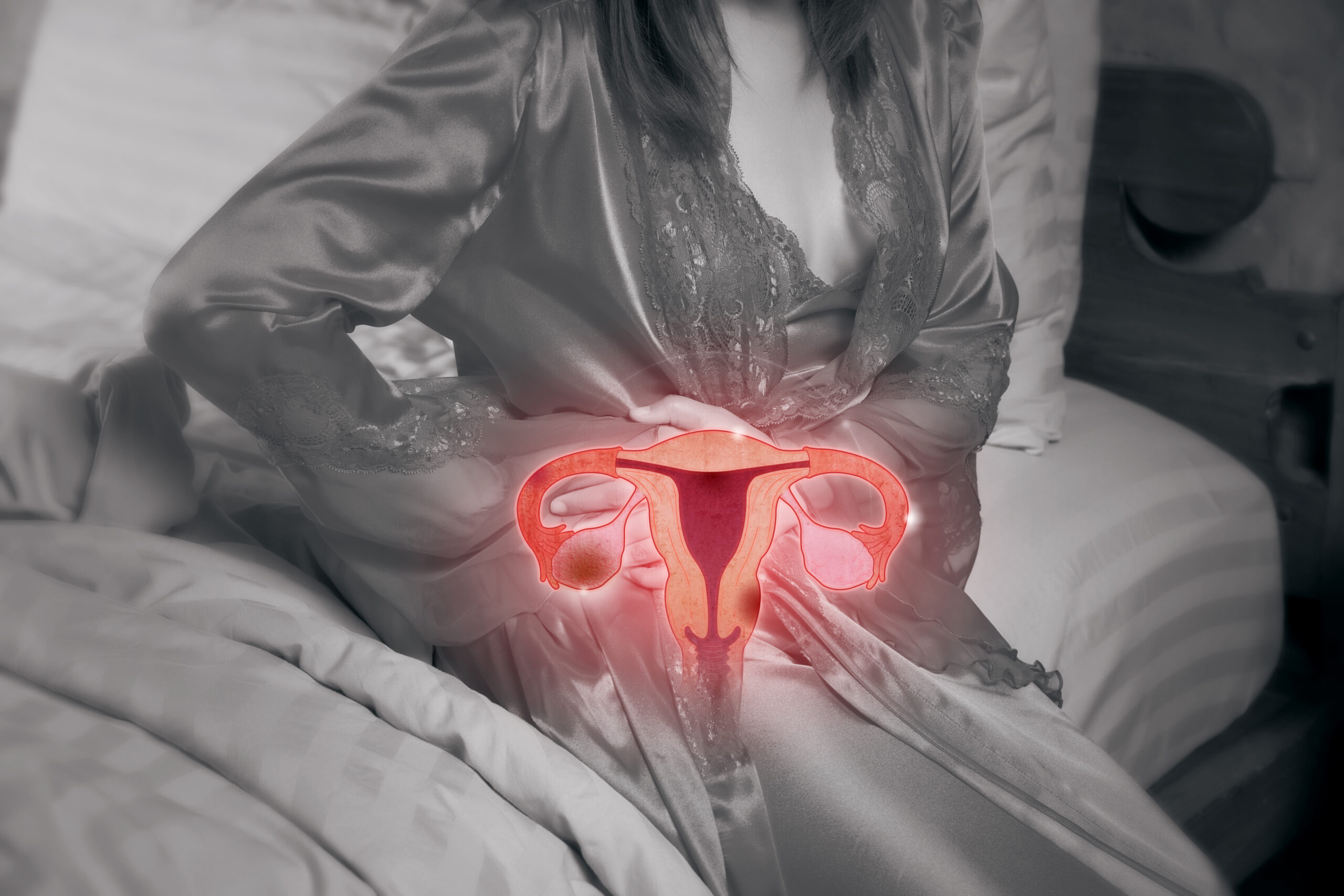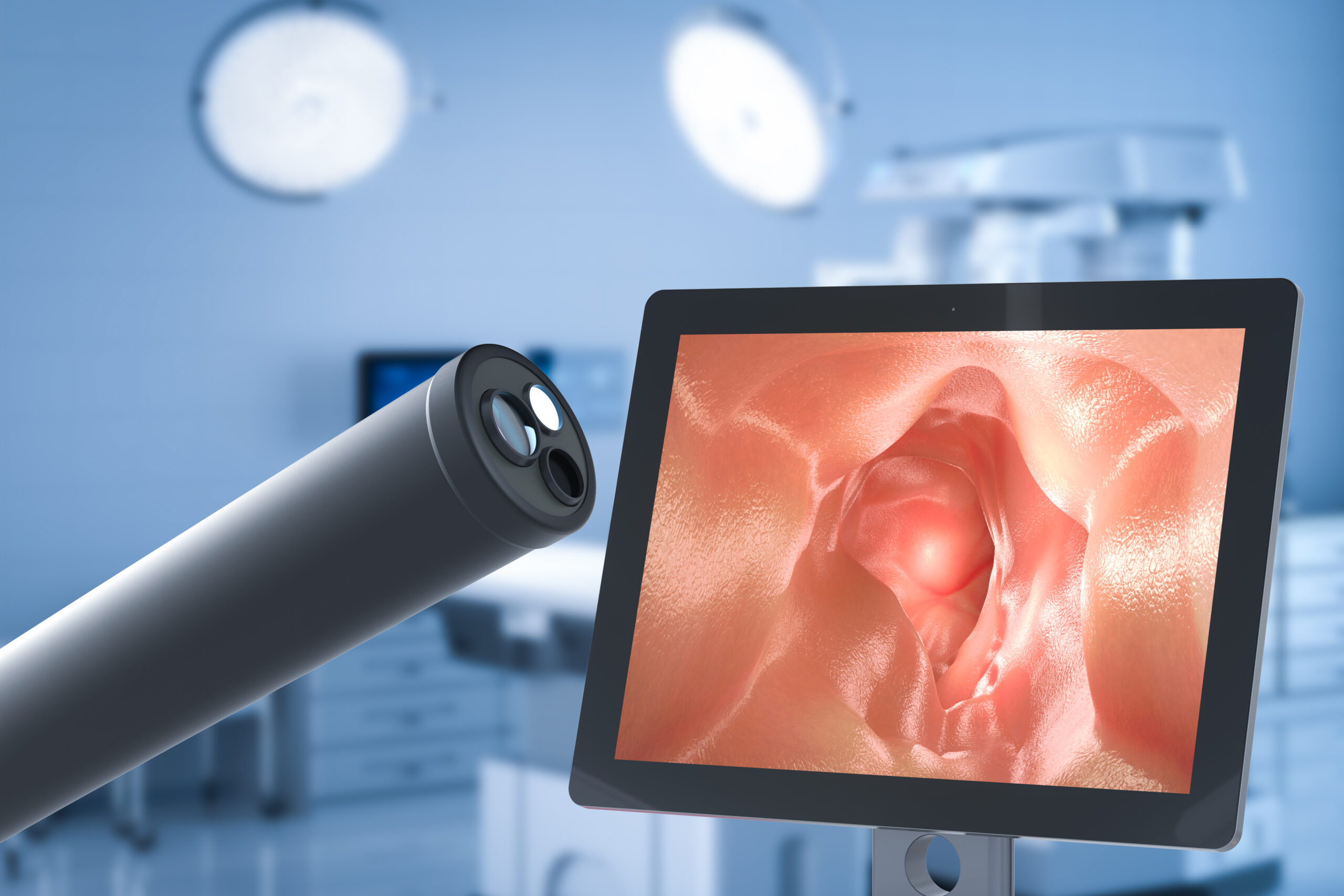
The dream of having a child is one of the most meaningful goals in life for many couples. However, this natural process can sometimes bring unexpected challenges. If you are reading these lines, you probably need information, support, and a ray of hope on this path. In vitro fertilization (IVF) treatment, one of the greatest miracles offered by modern medicine, is turning this dream into reality for countless families today.
So, what exactly is this special treatment that combines science and hope, and how should the process proceed for a successful outcome? In this article, we shed light on every step of the IVF journey in clear, understandable language.
What Is IVF Treatment and Who Is It For?
In its simplest definition, IVF treatment is the process of bringing together the female and male reproductive cells (egg and sperm) in a laboratory setting to achieve fertilization, and then transferring the resulting embryo into the mother’s uterus.
This advanced reproductive technology offers hope to couples in many different infertility) situations:
- Tubal Blockage or Damage: In situations that prevent the egg from meeting the sperm.
- Male Factor Infertility: When there are serious problems with sperm count, motility, or morphology.
- Advanced Maternal Age: In cases where egg quantity and quality naturally decline.
- Unexplained Infertility: When pregnancy does not occur despite all tests being normal.
- Endometriosis (Chocolate Cyst) or Polycystic Ovary Syndrome (PCOS) and other hormonal and structural problems.
The Road to Success: How Should IVF Treatment Proceed Step by Step?
IVF treatment is a personalized process planned specifically for each couple’s situation. The answer to the question of “how the treatment should proceed” lies in these steps being carried out meticulously and managed by an expert team.
Stage 1: Initial Examination and Personalized Treatment Planning
It all begins with an initial consultation in which the couple’s medical history is reviewed and a detailed examination is performed. The gynecology and obstetrics specialist evaluates the woman’s ovarian reserve and the man’s sperm analysis through tests such as blood work and ultrasonography. In light of this data, a treatment protocol tailored to the couple is created.
Stage 2: Ovarian Stimulation
While normally only a single egg matures during a menstrual cycle, in IVF treatment a greater number of eggs is targeted to increase the chance of success. For this purpose, the ovaries are stimulated with hormone injections over approximately 8-12 days, and egg development is closely monitored with ultrasound.
Stage 3: Egg Retrieval (OPU)
Once the eggs reach sufficient maturity, they are retrieved under anesthesia in a painless procedure lasting approximately 15-20 minutes. Guided by vaginal ultrasound, the eggs are collected from the follicles using a thin needle.
Stage 4: Fertilization in the Laboratory
On the same day, the retrieved eggs are combined with the sperm sample obtained from the man in the embryology laboratory. Especially in cases involving sperm-related problems, the Microinjection (ICSI) method, in which a single sperm is injected directly into the egg, is used.
Stage 5: Embryo Transfer
After fertilization, the resulting embryos are monitored in the laboratory for 3 to 5 days, and the highest-quality embryo or embryos are selected. This embryo is placed into the prospective mother’s uterus through a painless, simple procedure using a thin catheter.
Stage 6: Pregnancy Test
Approximately 10-12 days after embryo transfer, the outcome of the treatment is determined through a blood pregnancy test (Beta-hCG).
IVF Treatment in Ankara: The Importance of Trust and Experience
The IVF process is a journey that is as emotionally delicate as it is medical. For this reason, choosing an IVF center in Ankara is one of the most critical steps in the success of treatment. Setting out with a team that has strong technological infrastructure, an experienced embryology laboratory, and that approaches you with empathy throughout the process directly affects your chances of success.
Frequently Asked Questions (FAQ)
1. Is IVF treatment a painful process? The egg retrieval procedure is performed under anesthesia and is therefore painless. There may be mild discomfort during the injection treatment, but the process is generally well tolerated. Embryo transfer, on the other hand, is a simple procedure that does not require anesthesia.
2. How long does the entire treatment process take from start to finish? The active treatment process, from the first consultation to the pregnancy test, generally takes 2-3 weeks, depending on the personalized protocol.
3. What is the IVF success rate? The success rate varies depending on many factors, such as the woman’s age, egg quality, and the cause of infertility. Rates are higher in younger age groups and may decrease at more advanced ages. For this reason, you should always consult your doctor for information specific to your situation.
Reach Your Dreams Through Science
When carried out with proper planning, an expert team, and patience, IVF treatment opens a hope-filled door on the path to parenthood. The most important thing on this journey is to take each step together with a team with whom you feel safe and can find answers to all your questions.
Take the first step to discuss your dream of having a child and the treatment options tailored for you. For all your questions about the process, contact us.
To book an appointment and for detailed information, call us: 0312 284 00 12 or 0538 983 18 78