That moment when you laugh, cough, exercise, or simply can’t make it to the bathroom in time after a sudden urge… Urinary incontinence is a common health issue that negatively affects the social, psychological, and hygienic lives of millions of women, yet it is often hidden out of embarrassment. If you are experiencing this condition, the most important thing to know is this: you are not alone, and this is not your fate.
Modern medicine offers many effective solutions for urinary incontinence, both non-surgical and surgical. So, what are the underlying causes of this problem, and which treatment method is right for you? Let’s examine this important topic in full detail and explore the ways to regain your quality of life.
Why Does Urinary Incontinence Occur and What Are Its Types?
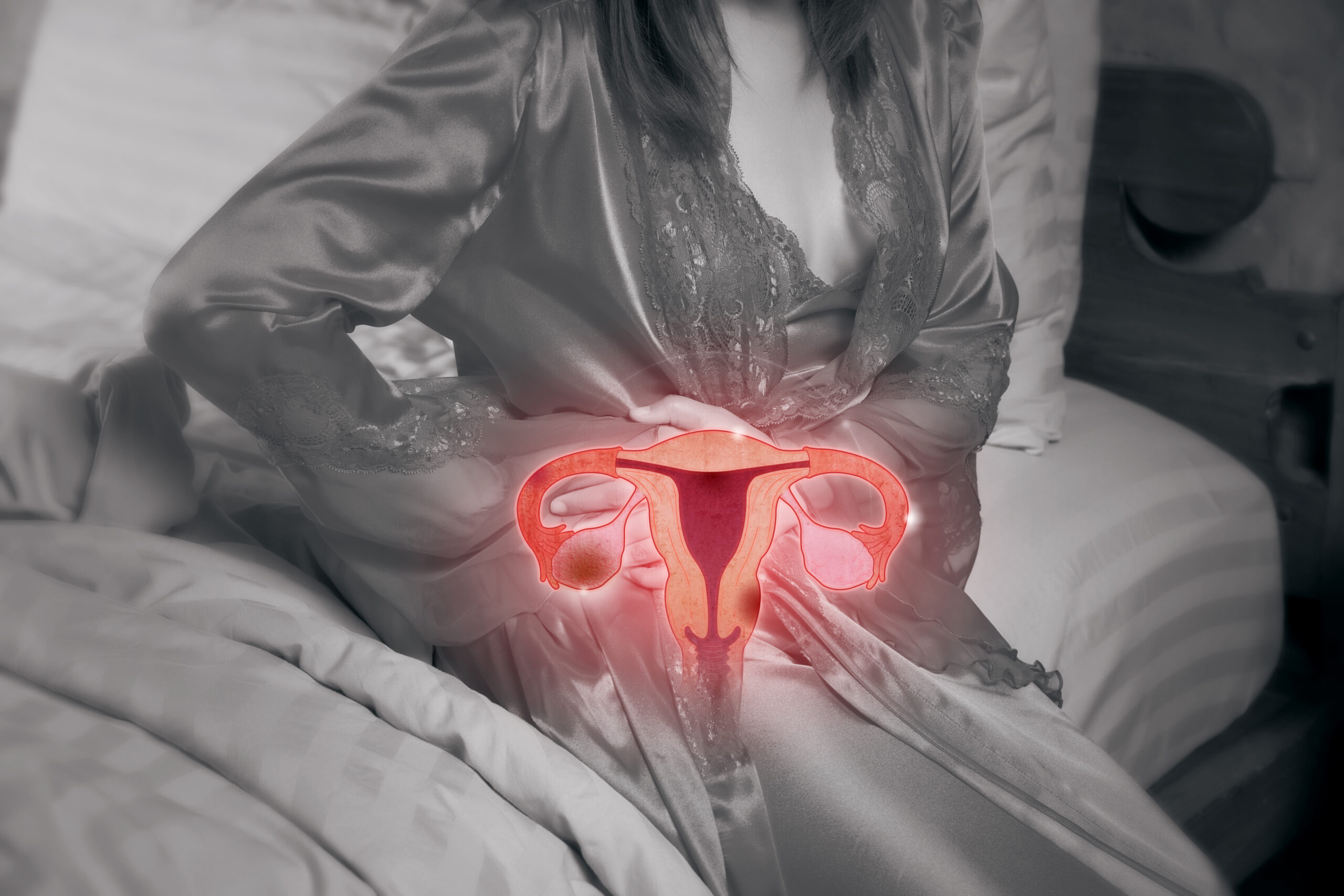
Urinary incontinence occurs when the pelvic floor muscles and connective tissues that support the bladder (urine reservoir) and urinary tract (urethra) weaken for various reasons. Difficult childbirths, menopause, advancing age, obesity, and chronic cough are the most common risk factors.
For the right treatment, the type of urinary incontinence must first be correctly diagnosed:
- Stress Urinary Incontinence: This is the involuntary loss of urine during physical activities that increase intra-abdominal pressure, such as coughing, laughing, sneezing, or exercising. It is the most common type, and its main cause is weakened pelvic floor support.
- Urge Incontinence: This is the involuntary loss of urine accompanied by a sudden, overwhelming urge to urinate, before one can reach the bathroom in time. It is also known as “overactive bladder.”
- Mixed Type: This is the condition in which symptoms of both stress and urge incontinence occur together.
How Should Urinary Incontinence Be Treated? Modern and Personalized Options
Treatment is planned individually according to the type and severity of the incontinence as well as the patient’s lifestyle and expectations. The goal is to find the most effective solution, starting with the least invasive method.
1. Non-Surgical Treatment Methods
- Pelvic Floor Exercises (Kegel Exercises): This is the first-line treatment, especially for mild stress urinary incontinence. It strengthens the pelvic floor muscles and improves urinary control.
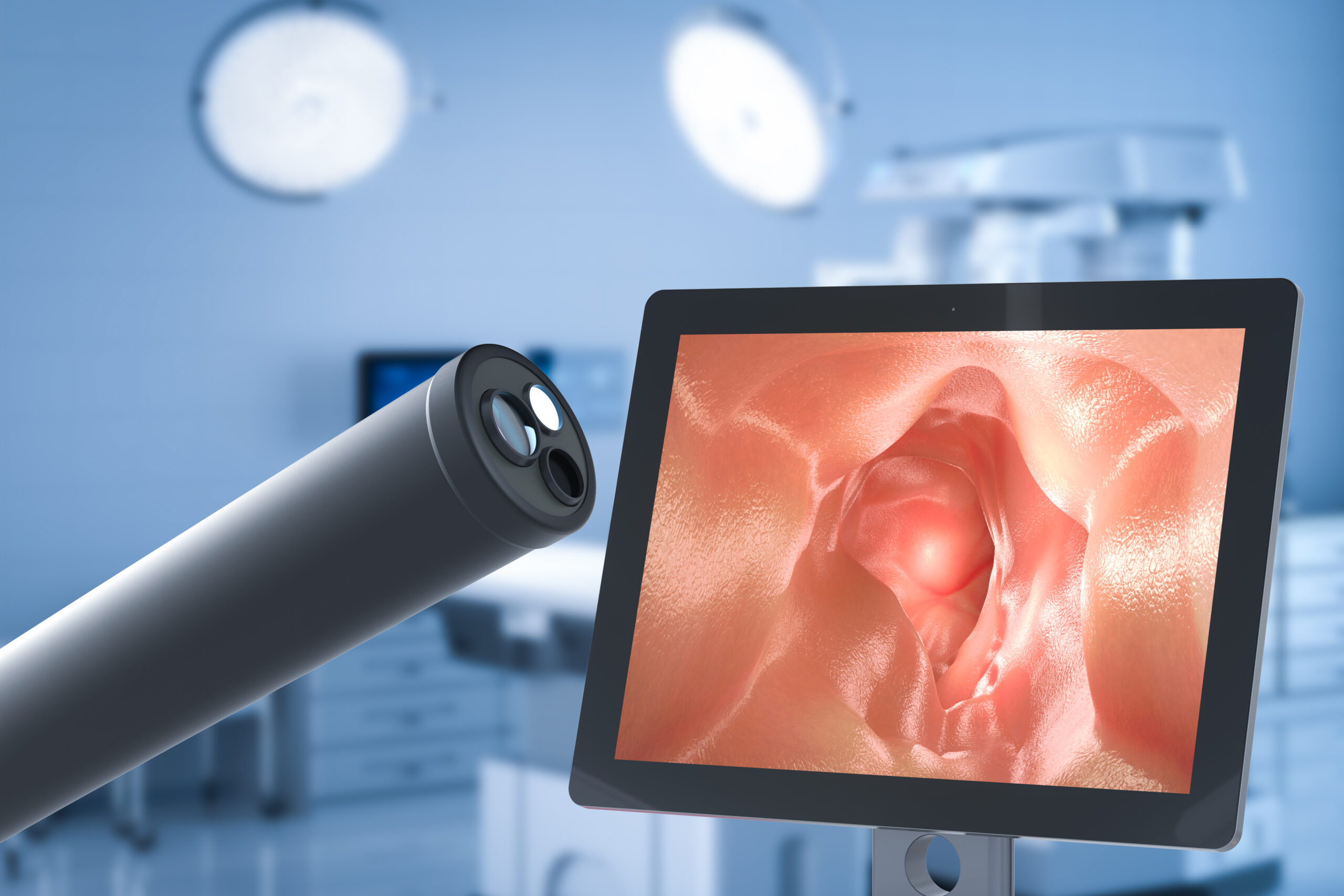
- Laser Treatment for Urinary Incontinence: This is a modern and comfortable option for patients who wish to avoid surgery or who have mild-to-moderate stress urinary incontinence. Laser energy applied to the vaginal canal stimulates collagen production in the area, tightening and rejuvenating the tissues. Laser treatment for urinary incontinence is administered in short sessions that require no anesthesia and are painless.
- Medication: Especially in cases of urge incontinence, medications that regulate bladder contractions can provide effective results.
2. Surgical Treatment Methods: Sling Surgeries
The most effective and lasting solution for moderate to advanced stress urinary incontinence is surgery. Today, the gold standard consists of minimally invasive operations known as “sling surgeries.”
- Sling Surgery (TVT / TOT): In this method, a supportive synthetic tape (sling) is placed beneath the urinary tract (urethra), like a hammock, through a small incision made via the vaginal route. This sling supports the urethra and prevents urine leakage in situations where intra-abdominal pressure increases, such as coughing. Sling surgery (TOT/TVT) is an operation that takes approximately 15-20 minutes, has a very high success rate, and offers a fairly quick recovery process.
Urinary Incontinence Treatment in Ankara: Regain Your Quality of Life
Urinary incontinence doesn’t have to be a problem that restricts your social life and undermines your self-confidence. At our clinic in Ankara, we accurately determine the type and severity of your condition and offer the most suitable solution for you, from laser treatment to modern sling surgeries. Remember, with the right treatment, it is possible to fully overcome this problem.
Frequently Asked Questions (FAQ)
1. Which doctor/department should I see for urinary incontinence? Urinary incontinence problems in women are addressed by Gynecology and Obstetrics specialists, particularly physicians specialized in the field of urogynecology.
2. Is laser treatment a permanent solution? Laser treatment provides quite successful and long-lasting results, especially in mild and moderate cases. Repeat sessions can be planned at specific intervals if needed.
3. What is the recovery process like after sling (TOT/TVT) surgery? Since it is a minimally invasive method, recovery is very fast. Patients are usually discharged the same day or the next day and can fully return to their normal activities within a few weeks.
Take Back Control
There is no reason to let anything hold you back from laughing, moving freely with your loved ones, or joining in the laughter over a joke. Urinary incontinence is a health issue for which modern medicine offers effective solutions. Taking the first step by consulting a specialist about this is the key to regaining the comfort and self-confidence you have lost.
Don’t delay discussing your condition and your personalized treatment options. To regain your quality of life, contact us.
To book an appointment and for detailed information, call us: 0312 284 00 12 or 0538 983 18 78