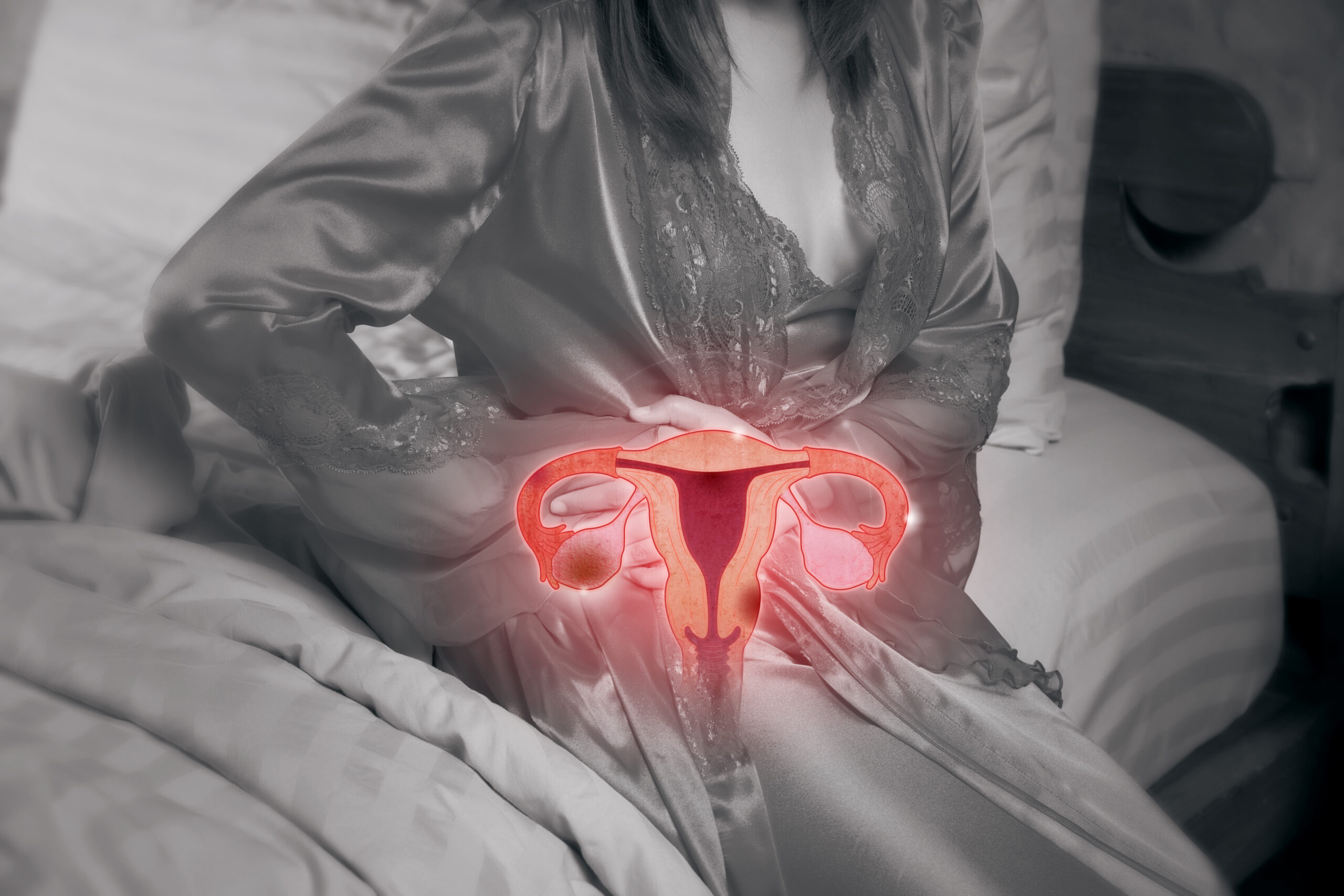
A feeling of fullness in the vagina, especially when standing or increasing toward the end of the day… A downward pressure, a sensation as if “something is coming out of you”… These symptoms are the most common warning signs of uterine prolapse, a condition many women hesitate to talk about but one that seriously impairs quality of life.
You do not have to accept this condition as a “natural result” of aging or childbirth and suffer through it in silence. Uterine prolapse is a health problem that can be resolved with the effective treatment methods of modern gynecology.
What Exactly Is Uterine Prolapse?
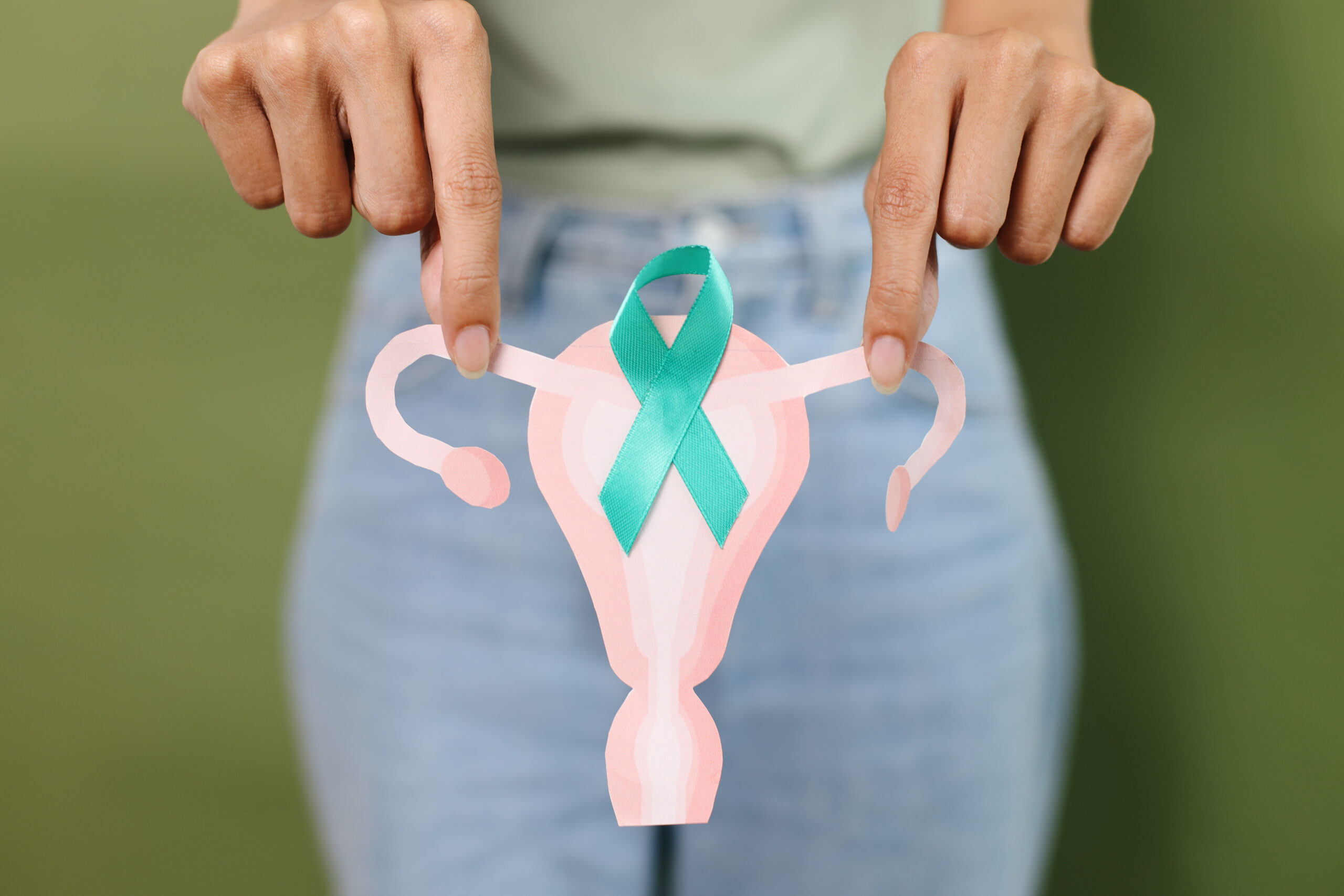
The pelvic floor is a strong “hammock” system made up of muscles and connective tissues that hold pelvic organs such as the uterus, bladder, and bowel in place. Uterine prolapse occurs when this supportive hammock structure weakens or becomes damaged, causing the uterus to lose its normal position and shift downward into the vagina, or in advanced cases, outside the vagina.
What Are the Most Common Causes of Uterine Prolapse?
Several factors usually lie behind the weakening of this support system:
- Childbirth: Having multiple vaginal deliveries in particular, or difficult deliveries with large babies, is the most important risk factor.
- Menopause: The decrease in estrogen causes the supportive tissues of the pelvic floor to lose their elasticity and weaken.
- Chronic Increase in Pressure: Persistent constipation and straining, chronic coughing (such as from asthma or COPD), or regularly lifting heavy loads.
- Genetic Predisposition: Some women’s connective tissue may be structurally weaker.
- Obesity: Excess weight increases the load placed on the pelvic floor.
- Previous Pelvic Surgery.
What Should Uterine Prolapse Treatment Involve? Personalized Options
The treatment decision is planned entirely on an individual basis, according to the degree of prolapse, the severity of the patient’s symptoms, her age, sexual activity status, and her wish to have children in the future.
1. Non-Surgical Treatment Methods (For Early Stages)
- Pelvic Floor Exercises (Kegel): In mild-degree prolapse and at the early stage of symptoms, strengthening the pelvic floor muscles can slow the progression of the prolapse and reduce symptoms.
- Vaginal Pessaries: These are rings made of silicone, available in various shapes and sizes. Placed inside the vagina, they provide mechanical support to the uterus. They are an effective temporary solution for patients who do not wish to have surgery or who carry a high surgical risk.
2. Surgical Treatment (A Permanent Solution for Advanced Stages)
In cases where symptoms are severe and the prolapse has progressed, surgery is the permanent solution. The main goal of the operation is to repair the weakened support tissues and bring the organs back to their correct anatomical position.
- Uterus-Sparing Surgery: Especially in young patients who wish to preserve their uterus, special surgical techniques that suspend the uterus back into place (such as laparoscopic sacrohysteropexy) can be applied.
- Removal of the Uterus (Hysterectomy) and Prolapse Repair: This is generally the most permanent and preferred method for women who have no expectation of having children or who are menopausal. Uterine prolapse is often seen together with . For this reason, the removal of the uterus (hysterectomy) is combined with repair of the weakened vaginal walls. This operation can now be performed comfortably.
Uterine Prolapse Treatment in Ankara: Regain Your Comfort
Uterine prolapse and other pelvic floor problems require special expertise and experience in the field of “urogynecology”. Choosing the right surgical technique is of critical importance for the success of the operation and for minimizing the risk of recurrence. aims to restore the life comfort you have lost by offering you the most suitable and most modern treatment options for this sensitive issue.
Frequently Asked Questions (FAQ)
1. Does uterine prolapse cause urinary incontinence? Yes. When pelvic floor support is compromised, the bladder often prolapses as well (cystocele), and this can lead to in situations such as coughing or sneezing. Both problems are usually treated at the same time.
2. Is uterine prolapse surgery difficult? How long does recovery take? The difficulty of the operation and the recovery time depend on the technique chosen. Recovery after operations performed laparoscopically (closed) or vaginally is much faster and less painful than after open abdominal surgery. Patients can return to their normal lives within 1-2 weeks.
3. Can prolapse be treated without removing the uterus? Yes. Particularly in suitable candidates who wish to preserve their uterus, “uterus-sparing” surgical methods aimed at suspending the uterus back into place are available. You should make this decision together with your doctor.
Conclusion: Don’t Postpone Your Quality of Life
Uterine prolapse does not have to be a problem that restricts your social life, physical activities, and self-confidence. Effective solutions offered by modern medicine are available for this common health problem. Do not hesitate to consult a specialist to regain your quality of life.
Don’t let the pressure and fullness you feel in the vagina affect your life any further. contact us to discuss your personalized treatment options and map out a plan.
Click to Book an Online Appointment or Call Us: 0312 284 00 12 0538 983 18 78