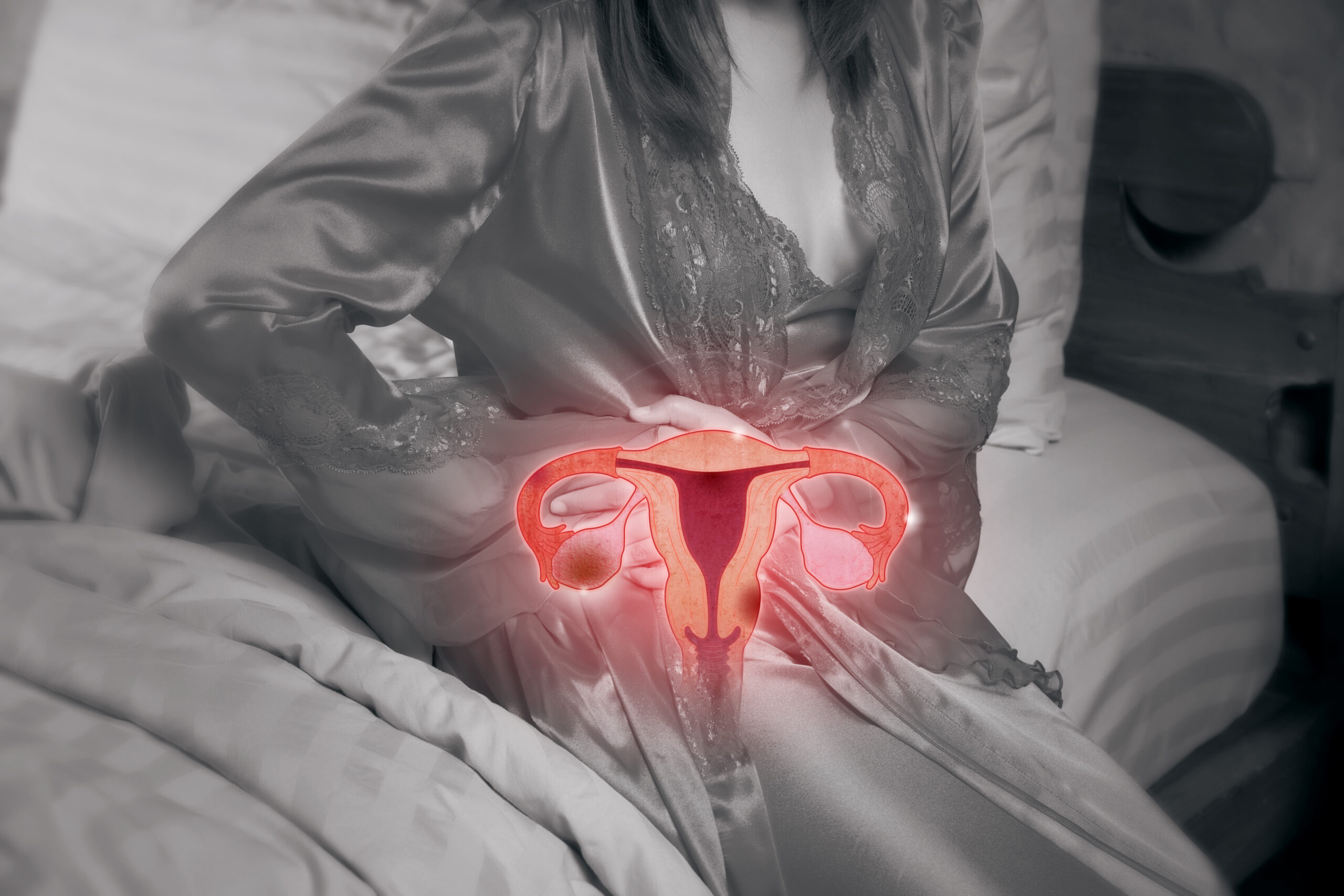
Having the uterus removed (hysterectomy) is one of the most important surgical decisions in a woman’s life. For many women facing this decision, concerns about the recovery process, pain, and the scar that will remain are just as significant as the surgery itself. Fortunately, thanks to advances in medical technology, traditional open surgery has now been replaced by a far more comfortable alternative: laparoscopic hysterectomy.
This modern approach, also known as minimally invasive surgery, allows patients to get through this challenging process with much less pain, recover more quickly, and return to their daily lives in record time.
What Is Laparoscopic Hysterectomy?
Laparoscopic hysterectomy is a procedure in which the uterus is removed without a large abdominal incision, either through small openings or entirely through the vaginal route. There are essentially two main techniques:
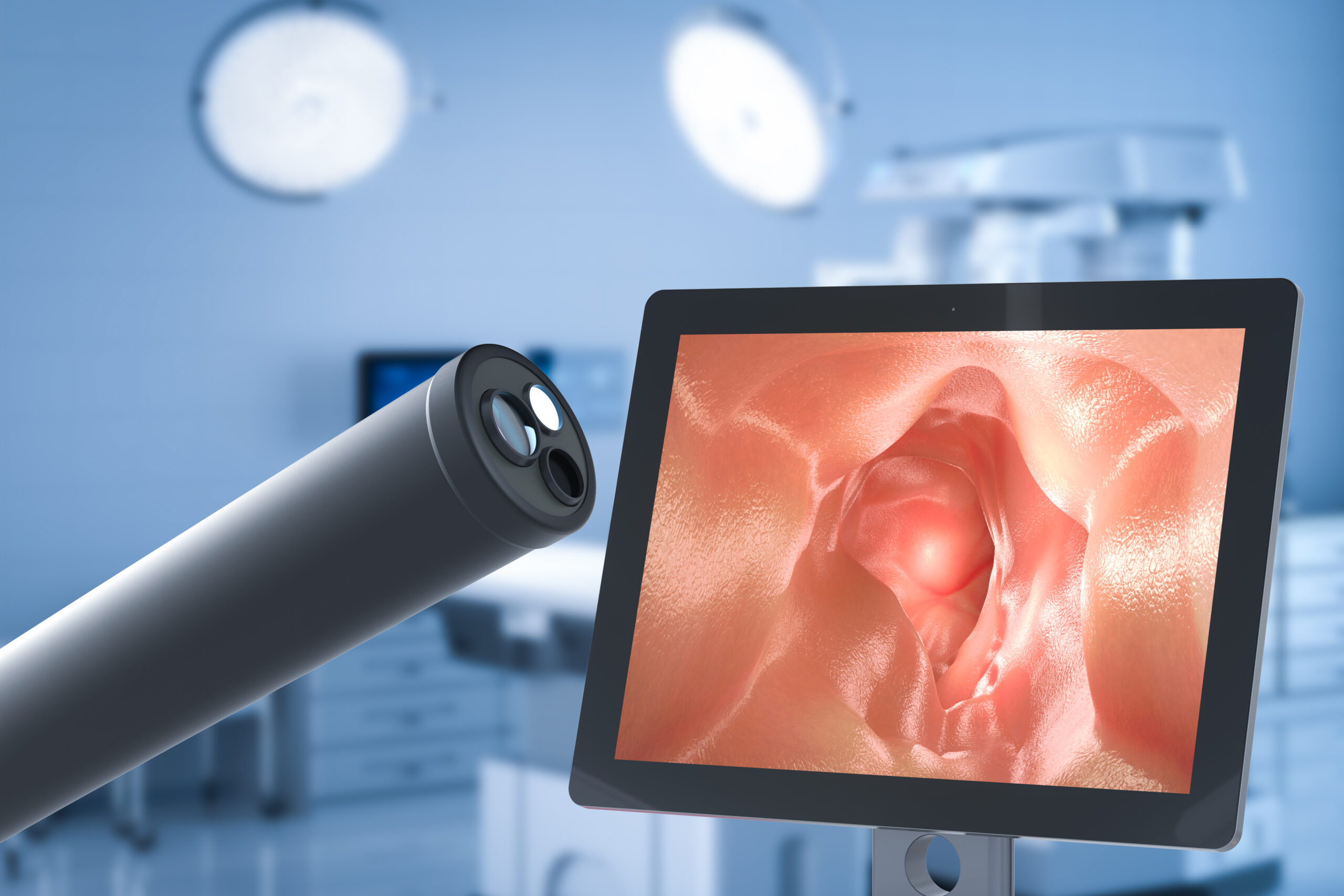
- Laparoscopic Hysterectomy: This is performed using a camera (laparoscope) and specialized surgical instruments inserted through 3 or 4 small, 0.5-1 cm incisions made around the navel and groin area. Viewing the surgical field on a high-resolution screen, the surgeon detaches the uterus from its supporting ligaments and removes it through the vaginal route or one of the small incisions.
- Vaginal Hysterectomy: This is a method in which the entire operation is performed through the vagina, with no incisions made in the abdominal area. It is an ideal technique, especially when conditions such as uterine prolapse are present.
Why Is Uterus Removal Surgery Necessary?
Hysterectomy is performed to provide a permanent solution to problems that seriously reduce a woman’s quality of life, in cases where all other treatment methods have proven insufficient. The most common reasons include:
- Fibroids: Large or numerous fibroids that cannot be controlled with medication and cause severe bleeding and pain.
- Abnormal Uterine Bleeding: Persistent bleeding that does not respond to hormone therapy, is life-threatening, or causes severe anemia.
- Endometriosis and Adenomyosis: Conditions that cause severe chronic pain and do not respond to other treatments.
- Pelvic Organ Prolapse: Descent of the uterus toward or outside the vagina.
- Gynecological Cancers or Cancer Risk: Cancers of the uterus, cervix, or ovaries, or conditions carrying a high risk of cancer.
The Most Important Decision: Why Choose Laparoscopic Surgery Over Open Surgery?
The advantages of the laparoscopic method over traditional open surgery (a large abdominal incision) are indisputable:
| Feature | Laparoscopic Surgery (Closed) | Open Surgery |
| Incision Size | A few small openings of 0.5 – 1 cm | A single large incision of 10 – 15 cm |
| Pain | Minimal, less need for pain medication | More severe and longer-lasting |
| Hospital Stay | Usually 1 night | Usually 2-3 nights |
| Recovery Process | Return to normal life within 1-2 weeks | 4-6 weeks or longer |
| Blood Loss | Much less | More |
| Infection Risk | Lower | Higher |
| Scarring | Nearly invisible, cosmetic | Visible and permanent scarring |
Laparoscopic Surgery Experience in Ankara
Laparoscopic hysterectomy is an operation that requires advanced surgical skill, technological equipment, and experience. The surgeon’s command of laparoscopic instruments directly affects the success and safety of the operation. Our gynecological surgery team in Ankara aims to offer our patients the safest and most comfortable treatment experience, drawing on our deep experience in minimally invasive techniques.
Frequently Asked Questions (FAQ)
1. Are the ovaries removed along with the uterus?
This depends on the patient’s age, menopausal status, and the reason for the surgery. If menopause has not yet occurred and there is no problem with the ovaries, they are generally not removed, in order to preserve hormonal balance. This decision is made together with your doctor before the surgery.
2. Will I go into menopause immediately after the surgery?
No, if your ovaries are preserved. Your menstrual periods will stop, but since your ovaries will continue producing hormones, you will not enter menopause. If your ovaries are also removed, surgical menopause will occur.
3. How will my sex life be affected after the surgery?
Removal of the uterus does not negatively affect sexual desire or orgasm. In fact, since it eliminates problems such as pain and bleeding that existed before the surgery, it can improve the quality of your sex life. You can resume sexual activity once the recovery period approved by your doctor (usually 6-8 weeks) is complete.
A Modern Solution Focused on Quality of Life
The decision to have a hysterectomy can be a difficult process, but the surgery itself and the recovery period no longer have to be what they once were. Laparoscopic hysterectomy is one of the most valuable gifts of modern surgery, allowing women to get through this important process with minimal trauma and return to a healthy, comfortable life as quickly as possible.
If you need to have your uterus removed, learn more about the advantages offered by modern laparoscopic surgical methods. To discuss your specific situation and the most suitable surgical approach, contact us.
Click Here to Book an Online Appointment or Call Us: 0312 284 00 12 0538 983 18 78