The word “cancer” creates worry and fear in all of us the moment we hear it. However, when it comes to cervical cancer, the most important and most hopeful fact you should know is this: Cervical cancer is one of the most treatable types of cancer, as its cause is almost entirely known, it can be prevented with a vaccine, and it can be detected at very early stages—long before it turns into cancer—through regular screening tests.
Our greatest strength against this disease is accurate information, regular check-ups, and the prevention methods offered by modern medicine. Let’s take a closer look at this “preventable” type of cancer and learn the steps we can take for our health.
The Almost Sole Culprit Behind Cervical Cancer: The HPV Virus
Behind more than 99% of cervical cancer cases lies the sexually transmitted and very common Human Papillomavirus (HPV). However, at this point there is no need to panic:
- Approximately 80% of sexually active women and men encounter HPV at some point in their lives.
- The vast majority of HPV infections (90%) are cleared spontaneously by the body’s immune system within 1-2 years, without causing any symptoms.
The problem begins when “high-risk” HPV types that the immune system cannot clear settle into the cells of the cervix and, over the years (usually a long period of 10-15 years), lead to abnormal cell changes, that is, precancerous lesions. The purpose of screening tests is precisely to detect these lesions before cancer develops.
Shield 1: PREVENTION – The Vital Importance of the HPV Vaccine
Our most powerful defense weapon against cervical cancer is the HPV vaccine.
- The HPV vaccine provides over 90% protection against the high-risk HPV types that most commonly cause cancer, as well as against the low-risk types that cause genital warts.
- For both girls and boys, it is ideal to administer the vaccine between ages 9-12, before the start of sexual activity.
- However, sexually active adult women and men also benefit greatly from the vaccine up to age 45. The vaccine continues to protect you against HPV types you have not yet encountered.
Shield 2: EARLY DIAGNOSIS – Regular Screening Tests
Regular gynecological check-ups and screening tests are the key to catching precancerous lesions before they turn into cancer and treating them simply.
- Pap Smear Test: Cells shed from the cervix are collected with a small brush and examined under a microscope. It detects abnormal cell changes.
- HPV DNA Test: Using the same sample, this test checks for the presence of high-risk HPV types in the cervix that could cause cancer.
Today, these two tests are usually performed together (“co-testing”), and the screening intervals are determined by your gynecologist based on your age and results (typically every 3 or 5 years).
The Process After an Abnormal Test Result: Colposcopy and LEEP
An abnormal result on your smear or HPV test does not immediately mean you have cancer. It simply indicates a situation that needs closer examination.
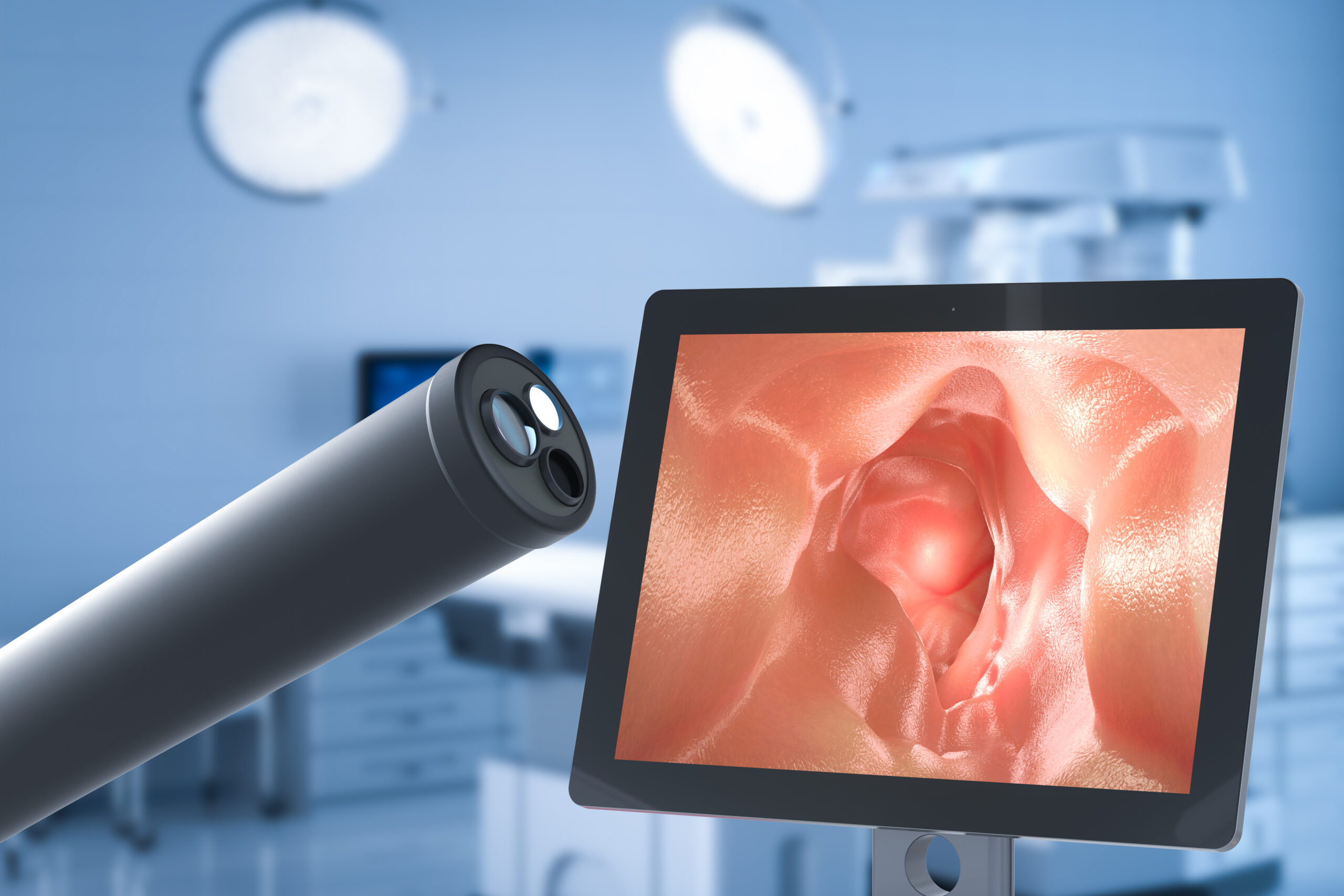
- Colposcopy: This is a procedure in which the cervix is magnified and examined in detail with a special microscope (colposcope), and a small biopsy is taken from any suspicious areas.
- LEEP / Conization: If the biopsy reveals a precancerous lesion (such as CIN 2 or CIN 3), this abnormal area is removed from the cervix using an electrified wire loop (LEEP) or a scalpel (conization). This simple procedure very often completely cures the problem before it turns into cancer.
Cervical Cancer Screening and Awareness in Ankara
Don’t put off your health. Regular screening tests and the HPV vaccine are among the most valuable investments you can make for yourself and your loved ones. At our clinic in Ankara, we offer you the most up-to-date screening programs and guide you by answering all your questions throughout the process.
Frequently Asked Questions (FAQ)
1. What are the early signs of cervical cancer? Unfortunately, cervical cancer and its precursor lesions usually show no symptoms at an early stage. By the time symptoms (abnormal bleeding, painful intercourse, etc.) appear, the disease has often already progressed. This is why it is vital to get regular screenings without waiting for symptoms.
2. Is the Pap smear test painful? No. The test is part of a routine gynecological examination and takes only a few seconds. You may feel slight discomfort, but it is not painful.
3. I’ve had the HPV vaccine—do I still need to get a smear test? Absolutely, yes. The vaccine protects against the most common high-risk types but does not provide 100% protection against all types. That’s why it’s very important to continue with your regular screening program even if you’ve been vaccinated.
Your Health Is in Your Hands
Cervical cancer is a disease that is dangerous due to lack of awareness and neglect, but one that can be easily managed with informed steps. By protecting yourself with the HPV vaccine and keeping up with your regular screening tests, you can largely keep this disease out of your life.
Don’t put off your health. Take a step today to schedule your annual gynecological check-up and screening tests, or to learn more about the HPV vaccine.
Click to Book an Appointment Online or Contact Us: 0312 284 00 12 0538 983 18 78