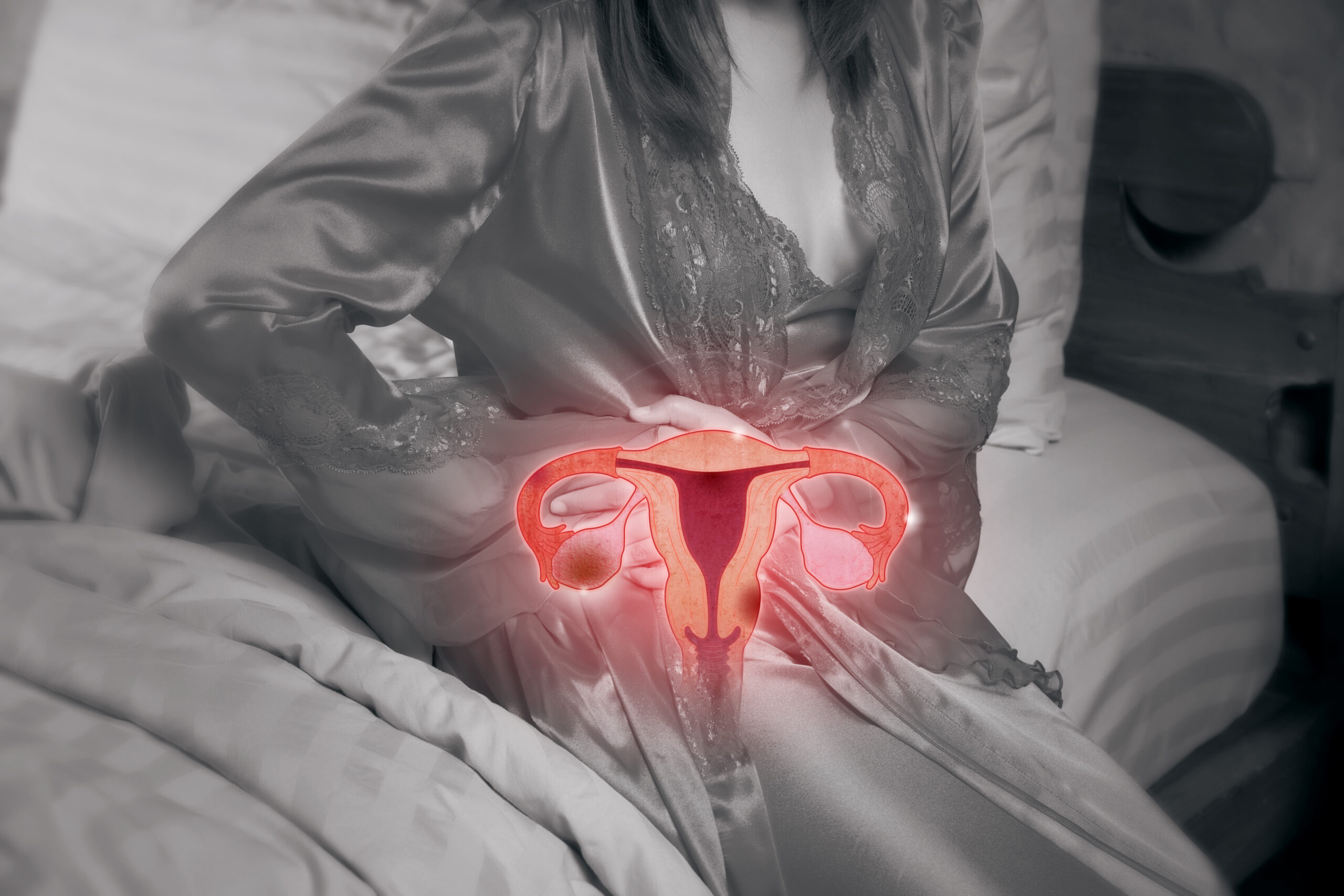
Noticing a lesion or wart on your body, especially in the genital area, that wasn’t there before can naturally cause worry and anxiety. Questions like “What is this? Is it dangerous? How did I get it?” immediately come to mind. The first and most important thing to know in this situation is that it may be an infection with Human Papillomavirus (HPV), a condition that is extremely common.
HPV is a virus that a large proportion of sexually active women and men encounter at some point in their lives. What matters is acting with accurate information rather than panicking, and taking advantage of the effective treatment and prevention methods modern medicine offers.
What Is HPV, and How Do Warts (Condyloma), Its Most Common Symptom, Develop?
HPV is a family of viruses with more than 200 types. Most HPV types are harmless and are cleared spontaneously by the body’s immune system after a while. However, some types settle into the upper layer of the skin and cause the formation of benign lesions called warts.
- Genital Warts (Condyloma): This is the most common symptom. They appear singly or in clusters on the genital area, around the anus, or in the groin, as cauliflower-like, skin-colored or brown bumps.
The most common route of HPV transmission is sexual contact. Because it is transmitted through skin contact, it can be passed on even without full sexual intercourse.
Does Every Type of HPV Cause Cancer? (High-Risk and Low-Risk HPV)
This is the topic that causes the most concern. No, not every HPV type leads to cancer.
- Low-Risk HPV Types (e.g., Types 6, 11): These generally only cause genital warts and have no association with cancer.
- High-Risk HPV Types (e.g., Types 16, 18): These may not cause warts and often remain in the body without producing symptoms. When these types are not cleared by the body, they can lead over the years to precancerous lesions in areas such as the cervix, vulva, penis, and anus, and to cancer if left untreated. This is precisely why regular gynecological check-ups and Pap smear testing are vital.
How Is Wart Treatment Performed?
Treatment of warts is planned individually according to the extent, size, and location of the lesions. The goal is to eliminate visible warts.
- Cryotherapy (Freezing Treatment): Warts are destroyed by freezing them with liquid nitrogen.
- Electrocauterization (Burning Treatment): A procedure in which warts are burned off using electric current.
- Laser Treatment: Vaporization of the lesions with a laser beam, particularly for stubborn and widespread warts.
- Topical Creams and Solutions: Medications used under a physician’s supervision that eliminate warts by stimulating the immune system or through a chemical effect.
The Most Important Step: PREVENTION | HPV Vaccine
Although warts can be treated, the most effective way to protect against HPV infection and the more serious problems it can cause is the HPV vaccine.
- The modern vaccines used today (such as the 9-valent vaccine) provide over 90% protection against both the low-risk types that most commonly cause warts and the high-risk types that most commonly cause cervical cancer.
- The vaccine provides the highest level of protection when given before becoming sexually active, but sexually active women and men also benefit greatly from vaccination.
HPV and Wart Treatment in Ankara
HPV and genital warts are a sensitive subject, both physically and psychologically. During this process, it is very important to consult a physician with whom you feel safe and from whom you can get clear answers to your questions. At our clinic in Ankara, we are by your side throughout this process with the most up-to-date treatment methods and counseling services.
Frequently Asked Questions (FAQ)
1. Does treating the warts clear the virus from the body? No. Wart treatment only eliminates the visible lesions caused by the virus. The virus itself is cleared over time by the body’s immune system. A strong immune system is very important in this process.
2. Does using a condom fully protect against HPV? A condom significantly reduces the risk of transmission because it covers the contact area, but it does not provide complete protection. This is because the virus can also be transmitted through areas of skin not covered by the condom.
3. Who should get the HPV vaccine? The HPV vaccine is recommended for both girls and boys between the ages of 9 and 12. However, it can also be given routinely up to age 26, and up to age 45 with a doctor’s recommendation, providing protection in both cases.
Protect Yourself with Knowledge, Recover with Treatment
HPV and genital warts are common health issues that can be managed with accurate information and the right approach. Not skipping your regular check-ups, consulting a specialist when you notice a suspicious lesion, and taking a proactive approach to protection, especially with the HPV vaccine, are the best things you can do for yourself and your partner.
If you have concerns about HPV or warts, take a step toward accurate information and treatment options tailored to you. For a detailed examination and consultation, contact us.
To book an appointment and for detailed information, call us: 0312 284 00 12 or 0538 983 18 78