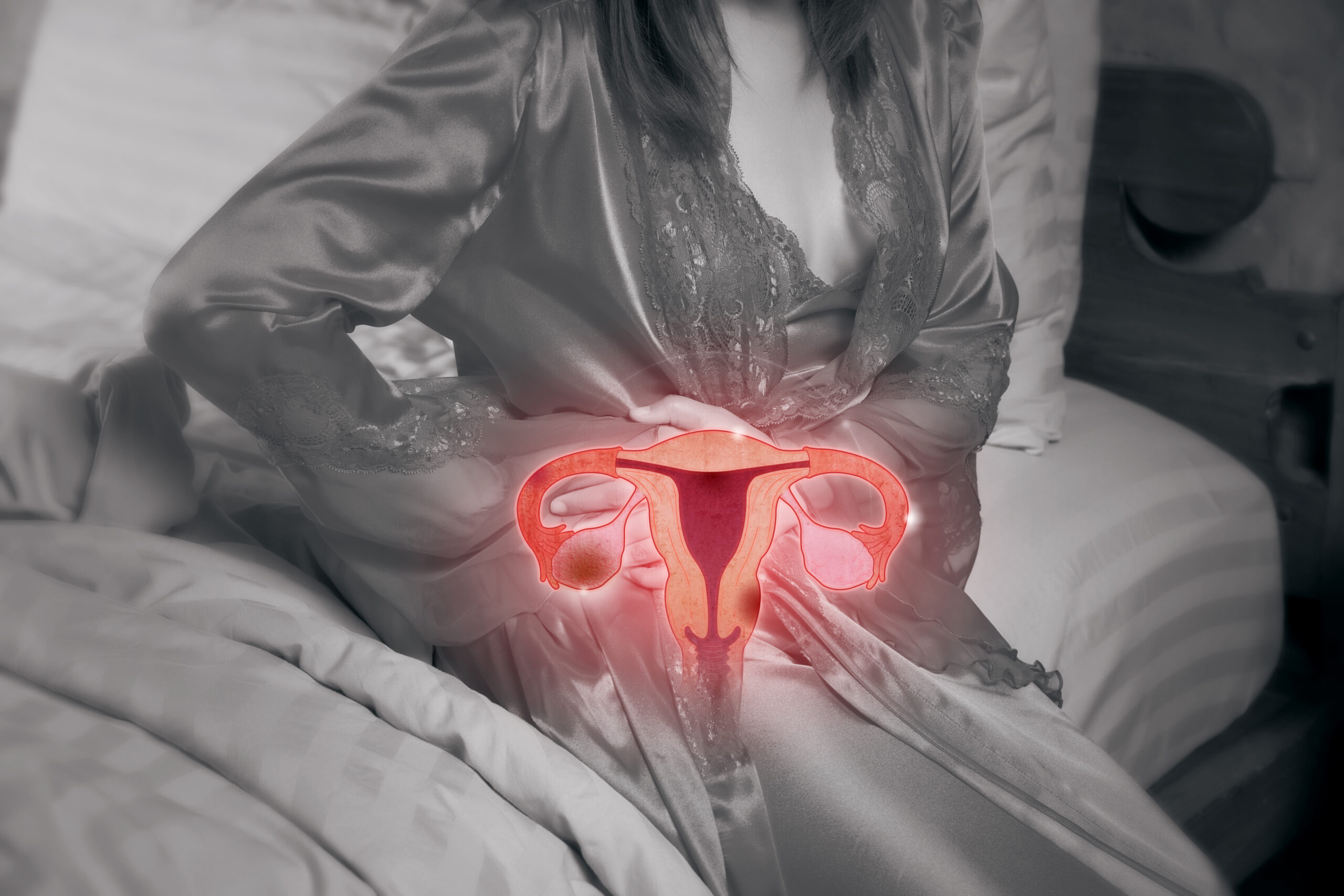
Hearing the sentence “you have a myoma in your uterus” during your gynecological examination can be worrying for many women. Questions like “Is this dangerous? Could it be malignant? Do I have to have surgery?” immediately come to mind. First of all, stay calm: myomas (fibroids) are the most common benign (non-cancerous) tumors in women, and in most cases they do not create a situation to worry about.
However, some myomas can seriously reduce quality of life through the symptoms they cause. So what is a myoma, when does it require treatment, and what are today’s “uterus-preserving” modern treatment approaches? In this article, we clearly explain everything you want to know about myomas.
What Is a Myoma and Why Does It Occur?
Myomas (also known as leiomyomas or fibroids) are abnormal but benign growths originating from the uterus’s own muscle tissue. Although the exact cause is not fully known, they are thought to be related to the hormone estrogen. For this reason, they are especially common in women of reproductive age.
Many women live with a myoma without ever realizing they have one. However, depending on their size, number, and location within the uterus, myomas can cause various symptoms:
- Abnormal Bleeding: Heavy, prolonged, or in-between menstrual bleeding is the most common symptom.
- Pain and a Feeling of Pressure: A feeling of fullness in the pelvis, with pain radiating to the back and legs.
- Pressure Symptoms: A growing myoma can press on the bladder, causing frequent urination, or on the bowel, causing constipation.
- Infertility and Pregnancy Problems: Myomas that grow into the uterine cavity (submucosal) can prevent the embryo from implanting in the uterus, leading to infertility or recurrent miscarriages.
Does Every Myoma Need to Be Treated? The “Watch and Wait” Approach
This is one of the most important questions, and the answer is clear: No. If your myoma is small, is not causing any complaints, and is not growing rapidly on regular check-ups, treatment is generally not necessary. In this case, a “watch and wait” approach is adopted, and the myoma is monitored by ultrasound at intervals (usually every 6 months or 1 year) determined by a specialist gynecologist.
How Should Myoma Treatment Be Approached? Personalized Modern Methods
The treatment decision is planned individually based on factors such as the size and location of the myoma, the symptoms it causes, the patient’s age, and, most importantly, her desire to have children in the future.
1. Medication
Medications do not eliminate myomas, but they aim to control the complaints they cause. Hormonal medications or birth control pills may be used, especially to reduce heavy bleeding.
2. Surgical Treatment: Myomectomy (Removal of the Myoma Only)
Myomectomy is a surgical method in which only the myomas are removed while the uterus is preserved. It is the gold standard, especially for women planning a future pregnancy. Today, this operation can be performed using minimally invasive techniques that offer patients great comfort:
- Laparoscopic Myomectomy (Minimally Invasive Surgery): The myomas are removed by entering through several small (0.5-1 cm) incisions in the abdomen using a camera and surgical instruments. Laparoscopic surgery offers important advantages such as less pain, faster recovery, and better cosmetic results.
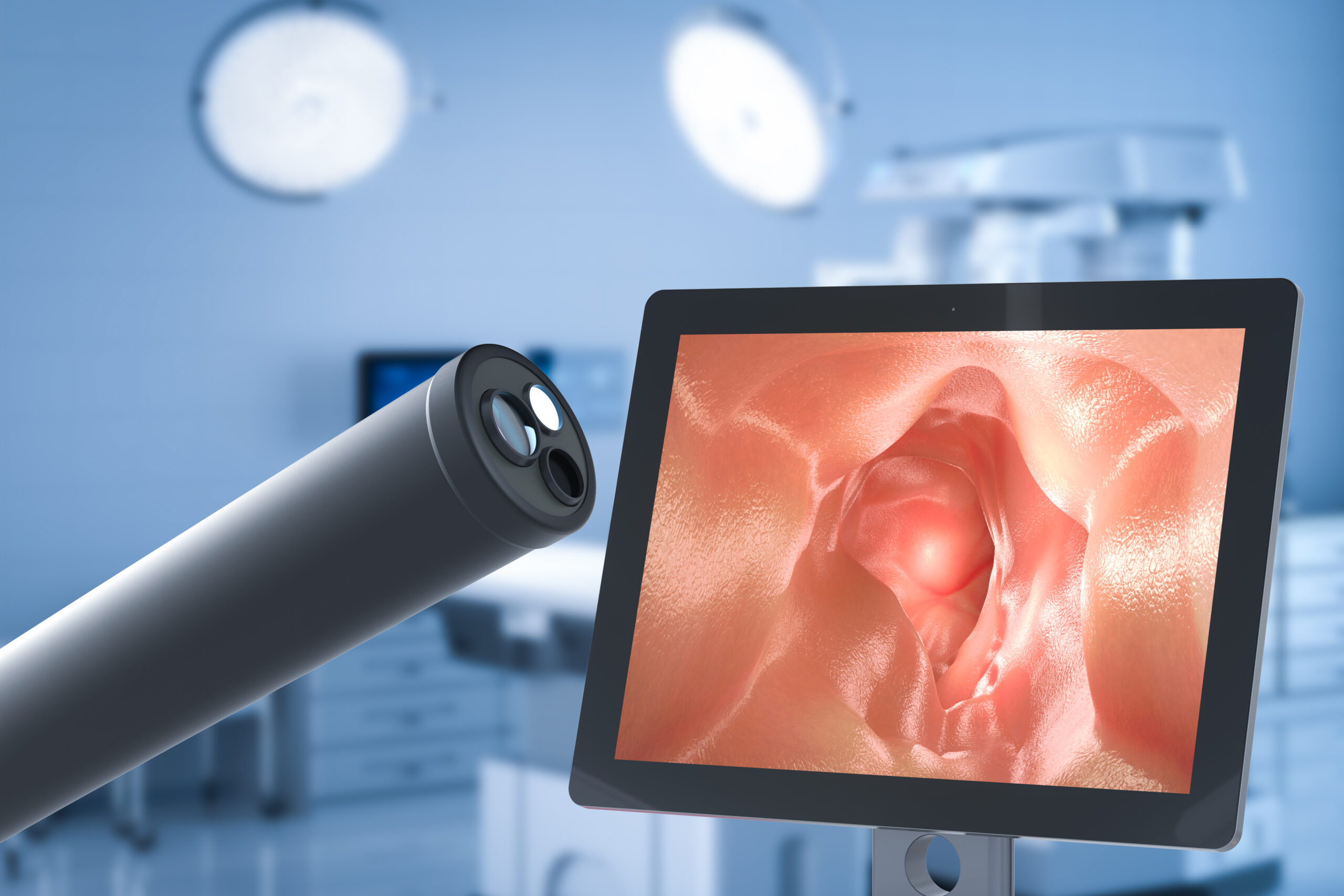
- Hysteroscopic Myomectomy: This is ideal for myomas that have grown into the uterine cavity (submucosal). Access is gained vaginally, through the cervix, using a special camera system (hysteroscope), and the myoma is removed without any incision.
3. Hysterectomy (Removal of the Uterus)
In women who have no expectation of having children and whose myomas are very large, numerous, or causing severe complaints, complete removal of the uterus (hysterectomy) may be an option for a permanent solution to the problem.
Myoma Treatment in Ankara: Uterus-Preserving Approaches Are Our Priority
At our clinic in Ankara, our priority in myoma treatment is to preserve the uterus, especially for women hoping to have children. With our experience in minimally invasive surgical techniques such as laparoscopy and hysteroscopy, we aim to offer our patients both effective treatment and a comfortable recovery process.
Frequently Asked Questions (FAQ)
1. Do myomas prevent pregnancy? Myomas that grow outward from the uterus usually do not prevent pregnancy. However, myomas that grow into the uterine cavity or block the entrance of the fallopian tubes can make it harder to conceive or can cause miscarriages.
2. What are the advantages of minimally invasive myoma surgery? Smaller incisions, less blood loss, less pain after surgery, a shorter hospital stay, and a much faster return to daily life are the most important advantages.
3. Do myomas recur after removal? Yes, there is a possibility that myomas may recur. However, since the myomas causing complaints are cleared through surgery, patients typically experience many trouble-free years afterward.
Informed Decisions, a Healthy Future
Myomas are manageable and mostly benign growths. What matters is not neglecting your regular gynecological check-ups and, once a myoma is detected, consulting an experienced physician who will explain your situation along with all your options.
If you have concerns about your myomas or the complaints you are experiencing, take a step toward creating a personalized treatment plan. For detailed information and an appointment, contact us.
To book an appointment and for detailed information, call us: 0312 284 00 12 or 0538 983 18 78