
High-Risk Pregnancy Follow-up
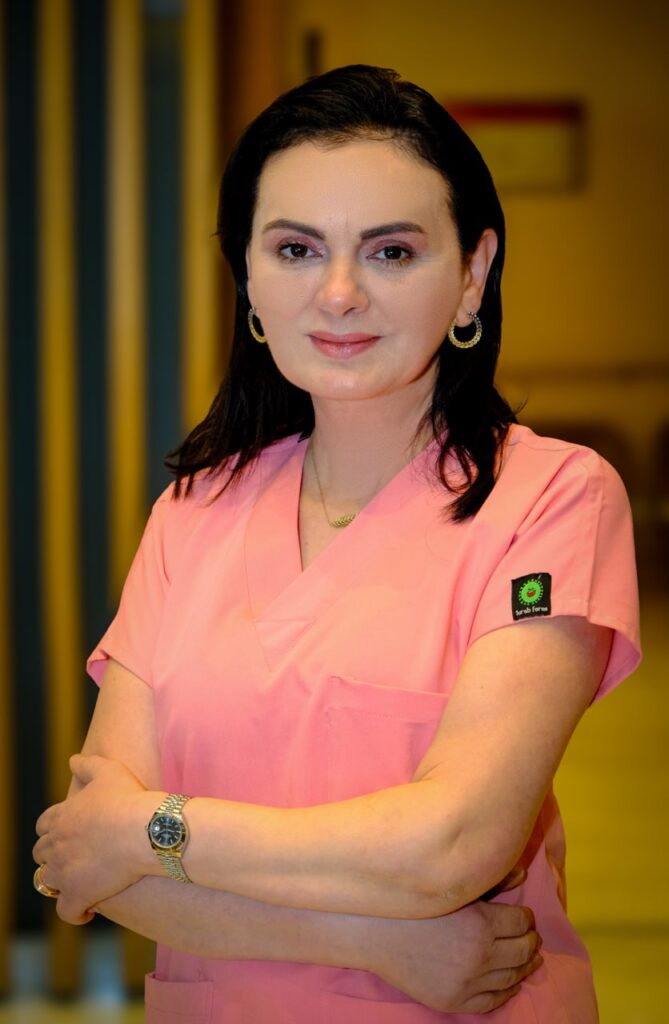
High-Risk Pregnancy Follow-up
Every pregnancy is unique, but some pregnancies involve situations where the potential health risks for the mother, the baby, or both are higher. These situations are defined as a “high-risk pregnancy.” Although this definition may cause concern for expectant mothers, it actually means that, thanks to the possibilities offered by modern medicine, these pregnancies will be followed much more closely, within a special plan, and proactive measures will be taken against possible problems. The primary goal of high-risk pregnancy follow-up is to anticipate potential complications, diagnose them early, manage them effectively, and ultimately achieve the healthiest possible outcome for both mother and baby. At our clinic in Ankara, Gynecology and Obstetrics Specialist Prof. Dr. Nuray Bozkurt, with her deep knowledge and experience in managing high-risk pregnancies, is ready to provide you and your baby with the special care and safe journey you need. You can reach us at 0538 983 18 78 to guide you through this process and answer all your questions.
What Is a High-Risk Pregnancy? Which Conditions Increase Pregnancy Risk?
A high-risk pregnancy is one in which the likelihood of adverse health outcomes for the mother, fetus, or newborn is increased due to certain conditions that exist before pregnancy or arise during pregnancy. This is not a single condition but a term that covers a wide range of situations. The main factors that can increase pregnancy risk are as follows:
Risk Factors Related to the Expectant Mother:
- Maternal Age: Being over 35 years old (advanced maternal age) or under 18 years old (very young maternal age) in particular. Advanced age can increase the risk of chromosomal abnormalities and certain pregnancy complications (such as preeclampsia and gestational diabetes), while being very young can also carry risks due to socioeconomic factors and the body not being fully mature.
- Chronic Health Problems:
- Diabetes: Pre-existing Type 1 or Type 2 diabetes, or gestational diabetes that develops during pregnancy.
- High Blood Pressure (Hypertension): Chronic hypertension before pregnancy or preeclampsia/eclampsia developing during pregnancy.
- Thyroid Diseases: Thyroid function disorders such as hypothyroidism or hyperthyroidism.
- Heart Disease: Congenital or acquired heart conditions.
- Kidney Disease: Chronic kidney failure or other kidney function disorders.
- Autoimmune Diseases: Immune system diseases such as Systemic Lupus Erythematosus (SLE), Antiphospholipid Syndrome (APS), and Rheumatoid Arthritis.
- Epilepsy: History of seizures and medications used.
- Other Conditions: Severe asthma, obesity (Body Mass Index > 30), being severely underweight (BMI < 18.5), anemia, and clotting disorders (thrombophilia).
- Previous Pregnancy History:
- Recurrent pregnancy loss (usually 3 or more miscarriages).
- History of preterm birth (preterm labor).
- History of stillbirth.
- History of preeclampsia or eclampsia in a previous pregnancy.
- History of chromosomal or structural abnormality in a previous baby.
- Previous delivery by cesarean section (especially if performed more than once or with a classical vertical incision).
- History of uterine anomalies or cervical insufficiency.
- Lifestyle Factors: Smoking, alcohol consumption, drug use, inadequate or unbalanced nutrition.
Pregnancy-Related Risk Factors:
- Multiple Pregnancies: Being pregnant with twins, triplets, or more; this increases risks such as preterm birth, preeclampsia, gestational diabetes, and growth problems in the babies.
- Placental Problems: The placenta covering the cervix (placenta previa), the placenta attaching abnormally to the uterine wall (placenta accreta spectrum), or the placenta functioning insufficiently (placental insufficiency).
- Fetal Growth Abnormalities: The baby growing less than expected in the womb (intrauterine growth restriction – IUGR) or more than expected (macrosomia – a large baby).
- Amniotic Fluid Volume Abnormalities: Amniotic fluid being more than normal (polyhydramnios) or less than normal (oligohydramnios).
- Infections Developing During Pregnancy: Infections such as TORCH infections (Toxoplasma, Rubella, Cytomegalovirus, Herpes), Group B Streptococcus infection, severe urinary tract infections, and Parvovirus B19.
- Blood Group Incompatibility: Situations where the mother is Rh negative, the father is Rh positive, and the mother has become sensitized.
Risk Factors Related to the Baby:
- Structural Anomalies: Structural abnormalities detected on ultrasound or other tests in organs or limbs such as the heart, brain, or kidneys.
- Chromosomal Abnormalities: High risk detected on screening tests, or diagnosis of a chromosomal abnormality such as Down syndrome through diagnostic tests (amniocentesis, CVS).
How Is High-Risk Pregnancy Follow-up Performed? How Does It Differ from Standard Follow-up?
High-risk pregnancy follow-up requires a more intensive, more detailed, and generally multidisciplinary approach compared to standard pregnancy follow-up:
- More Frequent Doctor Visits: Follow-up frequency is increased depending on the risk level. Instead of the standard monthly or biweekly check-ups, weekly or sometimes even several checks per week may be required.
- More Comprehensive Monitoring: The health status of both the mother and the baby is monitored much more closely. Routine checks such as blood pressure, weight gain, and urine tests are evaluated with greater sensitivity.
- Specialized Tests and Imaging Methods:
- Frequent and Detailed Ultrasonography: More frequent ultrasounds are performed to track the baby’s growth rate millimeter by millimeter, regularly measure amniotic fluid, evaluate the location and structure of the placenta, and examine blood flow to the baby with Doppler ultrasonography.
- Fetal Well-being Tests: Tests such as the Non-Stress Test (NST) (which examines the relationship between the baby’s heartbeat and movements) and the Biophysical Profile (BPP) (a scoring system that, together with NST, uses ultrasound to evaluate the baby’s breathing movements, general body movements, tone, and amniotic fluid volume) are used to assess the baby’s health in the womb, especially in the later stages of pregnancy. Rarely, a Contraction Stress Test (CST) may also be required.
- Advanced Diagnostic Tests: In cases of suspected chromosomal or genetic issues, invasive tests such as amniocentesis (sampling of amniotic fluid) or cordocentesis (taking a blood sample from the umbilical cord) may be required.
- Special Blood Tests: Specific blood tests targeting the underlying condition or risk (for example, a clotting panel, autoimmune markers, infection serologies) may be requested.
- Multidisciplinary Collaboration (When Needed): In the management of high-risk pregnancies, collaboration with specialists from other branches, in addition to the Gynecology and Obstetrics Specialist, is often required. These specialists may include a Perinatologist (Maternal-Fetal Medicine Specialist), an Endocrinologist (for diabetes and thyroid issues), a Cardiologist (for heart disease), a Nephrologist (for kidney disease), and a Pediatric Cardiologist or Pediatric Surgeon (when an anomaly is detected in the baby). Prof. Dr. Nuray Bozkurt can effectively provide this coordination through her extensive network of specialists in Ankara.
- Detailed Counseling and Education: The expectant mother and her family are given much more detailed information about the existing risks, possible complications, the follow-up plan, treatment options, points to be aware of, and the delivery process.
- Careful Planning of Delivery Timing and Method: The most appropriate delivery timing (sometimes early delivery may be required) and delivery method (vaginal delivery or cesarean section) for the health of the mother and baby are carefully planned with a multidisciplinary approach and with the family’s involvement.
What Are the Main Goals of High-Risk Pregnancy Follow-up?
The main goals of this special follow-up process are as follows:
- Minimizing or eliminating the identified risks for the mother and baby.
- Detecting complications that may arise during pregnancy at the earliest possible stage.
- Planning and implementing the necessary treatments to manage identified problems effectively and in a timely manner.
- Reducing the anxiety of the expectant mother and her family by providing them with accurate and complete information about the process, and ensuring their participation in decision-making.
- Providing multidisciplinary care by seeking support from other specialties when necessary.
- Optimizing the timing and method of delivery to be as safe as possible for both mother and baby.
- Ultimately, achieving the healthiest possible outcome for mother and baby despite all the challenges.
Points to Consider and Recommendations During a High-Risk Pregnancy
If you are experiencing a high-risk pregnancy, there are some important points you should pay attention to in order to protect your health and manage the process in the best way possible:
- Adherence to Appointments: Be sure to keep the follow-up appointments set by your doctor and do not miss any of them.
- Adherence to Treatment: Use the medications recommended by your doctor (vitamins, iron supplements, blood pressure or diabetes medications, etc.) regularly and correctly.
- Healthy Nutrition: Eat a balanced and healthy diet as recommended by your doctor or a dietitian. Following the nutrition plan is especially important in conditions such as gestational diabetes.
- Rest and Activity: Be sure to rest as recommended by your doctor. Avoid heavy work, but you may do light exercise if approved by your doctor. Consult your doctor about your activity level.
- Knowing the Warning Signs: Learn the warning signs during pregnancy that require immediate medical attention (severe bleeding, water breaking, severe headache, decreased baby movements, etc.) and contact your doctor without delay if you notice any of them (for example, by calling 0312 284 00 12).
- Stress Management: Pregnancy, especially a high-risk one, can be stressful. You can try methods such as relaxation techniques, yoga, and meditation, and seek support from your family, friends, or professional psychological help if needed.
- Avoiding Harmful Substances: Stay completely away from smoking, alcohol, and drugs. Also avoid secondhand smoke.
- Reliable Sources of Information: Be careful of misinformation on the internet. Get the most accurate and reliable information about your health from your doctor.
High-Risk Pregnancy Follow-up in Ankara: Prof. Dr. Nuray Bozkurt’s Expert Approach
The high-risk pregnancy process requires special knowledge, experience, attention, and compassion. Prof. Dr. Nuray Bozkurt provides this special care to expectant mothers experiencing high-risk pregnancies at her clinic in Ankara:
- In-Depth Expertise: She has deep knowledge and clinical experience based on current scientific data regarding the diagnosis, follow-up, and management of high-risk pregnancies.
- Personalized Planning: Knowing that every pregnancy and every risk factor is unique, she creates a follow-up and delivery plan tailored entirely to you, beyond standard protocols.
- Follow-up with Advanced Technology: Her clinic in Ankara has modern technological equipment capable of performing detailed ultrasonography, NST, and other fetal well-being tests.
- Proactive Management: She anticipates possible risks, takes preventive measures, and intervenes quickly and effectively when problems arise.
- Empathetic Communication: She understands the concerns brought on by the process, patiently answers all your questions, and maintains open, honest, and supportive communication with you and your family.
- Coordination Skills: When necessary, she organizes multidisciplinary care by communicating quickly and effectively with other specialties within or outside Ankara (Perinatology, Endocrinology, Cardiology, etc.).
- Trust and Peace of Mind: In addition to medical expertise, she offers a warm and supportive environment that will make you feel safe and reduce your anxiety. Being reachable when you need it is essential; communication channels such as (0538 983 18 78) (0312 284 00 12) are open for emergencies and questions.
If your pregnancy has been assessed as high-risk, if you have pre-pregnancy risk factors, or if you have concerns about your current pregnancy, you can make an appointment right away by calling 0538 983 18 78 to meet with Prof. Dr. Nuray Bozkurt at our clinic in Ankara for a personalized, expert follow-up and management plan. Your health and your baby’s health are our priority.
Frequently Asked Questions
Which conditions place a pregnancy in the "high-risk" category?
Many factors can make a pregnancy high-risk, such as the mother being older than 35 or younger than 18, the presence of chronic diseases in the mother such as diabetes, hypertension, thyroid disorders, or heart disease, problems in previous pregnancies (recurrent miscarriage, preterm birth, etc.), multiple pregnancy (twins, triplets), or an anomaly detected in the baby. The detailed list can be found in the text above.
How different is high-risk pregnancy follow-up from normal pregnancy follow-up? Are doctor visits more frequent?
Yes, it is generally different and more intensive. Doctor visits are more frequent (sometimes weekly or more often). More and more specialized tests (detailed ultrasounds, NST, Biophysical Profile, etc.) are requested. Sometimes doctors from different specialties may also need to be involved in the follow-up.
What additional tests (NST, Biophysical Profile, etc.) are performed in a high-risk pregnancy, and what do they mean?
These tests are performed to assess the baby’s well-being in the womb. The NST (Non-Stress Test) examines the relationship between the baby’s heartbeat and movements. The Biophysical Profile (BPP) is a scoring system that, together with NST, uses ultrasound to evaluate the baby’s breathing movements, general movements, muscle tone, and amniotic fluid volume. These tests provide important information about the baby’s oxygenation and general health.
Why is advanced maternal age (>35) a risk factor, and how should follow-up be conducted in this case?
In pregnancies after age 35, the risk of chromosomal abnormalities such as Down syndrome increases. In addition, pregnancy complications such as gestational diabetes, preeclampsia, and preterm birth may also be more common. For this reason, greater attention is paid during follow-up to chromosomal abnormality screening (dual test, fetal DNA, etc.), detailed ultrasound, and blood pressure/blood sugar monitoring.
What specific points are given attention in the follow-up of multiple pregnancies (twins, triplets)?
Multiple pregnancies are considered high-risk in themselves. During follow-up, each baby’s growth rate is monitored separately and carefully, and it is checked whether there is a significant growth difference between them. Since the risk of preterm birth is higher, monitoring cervical length is important. Since the risk of preeclampsia and gestational diabetes is also increased, screening and follow-up in this regard are carried out more carefully.
If I have a chronic condition (diabetes, thyroid disorder, hypertension, etc.), how will my high-risk pregnancy follow-up be conducted?
It is very important for your chronic condition to be brought under control before pregnancy and closely monitored throughout pregnancy. Follow-up is coordinated by the Gynecology and Obstetrics Specialist together with the relevant specialist (Endocrinologist, Cardiologist, etc.). The suitability of your medications for pregnancy is assessed, dose adjustments are made, and the effects of the condition on both you and your baby are closely monitored.
Does a high-risk pregnancy always have to end in a cesarean section? Is normal (vaginal) delivery possible?
No, not every high-risk pregnancy has to end in a cesarean section. The decision on the mode of delivery is made individually, based on the type and severity of the risk and the condition of the mother and baby at the time of delivery. In some high-risk situations, vaginal delivery may be safely possible, while in others, a planned or emergency cesarean section may be the safest option. Your doctor will discuss the most appropriate and safe mode of delivery for you.
Does receiving a high-risk pregnancy diagnosis definitely mean that there will be a problem with my baby or with me?
No, it definitely does not. The term “high-risk” means that greater caution is needed regarding potential problems and that special follow-up is required. With early diagnosis, close monitoring, and correct management, many high-risk pregnancies result in a healthy mother and baby. What matters is managing the process with an expert team.
How can I reach Prof. Dr. Nuray Bozkurt for high-risk pregnancy follow-up in Ankara?
To start your high-risk pregnancy follow-up or to consult with Prof. Dr. Nuray Bozkurt at her clinic in Ankara, you can call 0538 983 18 78 or request an appointment on the website.
What can I do to manage my worries and stress during a high-risk pregnancy?
It is normal to feel anxious. Communicating openly with a doctor you trust, obtaining accurate information about the process, attending childbirth preparation classes, getting support from your spouse/family, practicing relaxation techniques (breathing exercises, meditation), and seeking professional psychological support if needed can help you manage stress. Remember, you are not alone.